Choose a plan from below, subscribe, and get access to our member benefits!
Monthly plan
Yearly plan
Member Benefits Include
Collective Representation
Legal Representation
Grievance Resolution
Professional Development
Health and Safety Advocacy
Social and Networking Events
Governmental Advocacy
Job Security and Seniority Advocacy
Information and Resources
Open Door Policy
Workers Representation on a National Scale
Collective Bargaining Representation
The union negotiates collective bargaining agreements on behalf of its members to ensure fair wages, benefits, and working conditions. Shop stewards act as liaisons between the workers and the union leadership.
Legal Representation
Members have access to legal assistance for workplace-related issues, such as unfair dismissal, discrimination, and safety violations.
Grievance Resolution
The SKNT&LU supports members in resolving workplace grievances, advocating for fair treatment and due process.
Professional Development
The union provides opportunities for members to enhance their skills and career prospects through various educational programs.
Health and Safety Advocacy
A key focus is on promoting safer work environments and compliance with health and safety standards.
Social and Networking Events
Members can participate in events that foster community and provide networking opportunities.
Governmental Advocacy
The union lobbies for policies and legislation that protect and advance workers' rights and interests.
Job Security and Seniority Advocacy
Efforts are made to ensure fair practices regarding layoffs, promotions, and other job changes, often prioritizing seniority and performance.
Information and Resources
The union keeps members informed about labor rights, industry developments, and union activities through various communication channels.
Open Door Policy
Members have direct access to union representatives for guidance and support, with non-members also encouraged to engage with the union.
Workers Representation on a National Scale
The SKNT&LU represents workers at the national level on various committees, influencing policies and regulations affecting labor and employment.
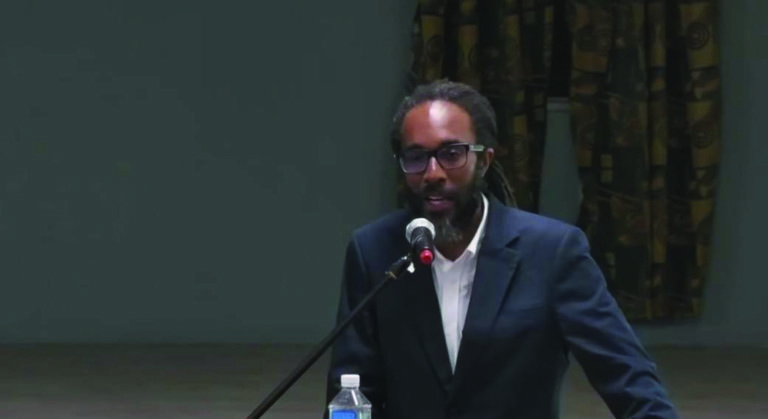
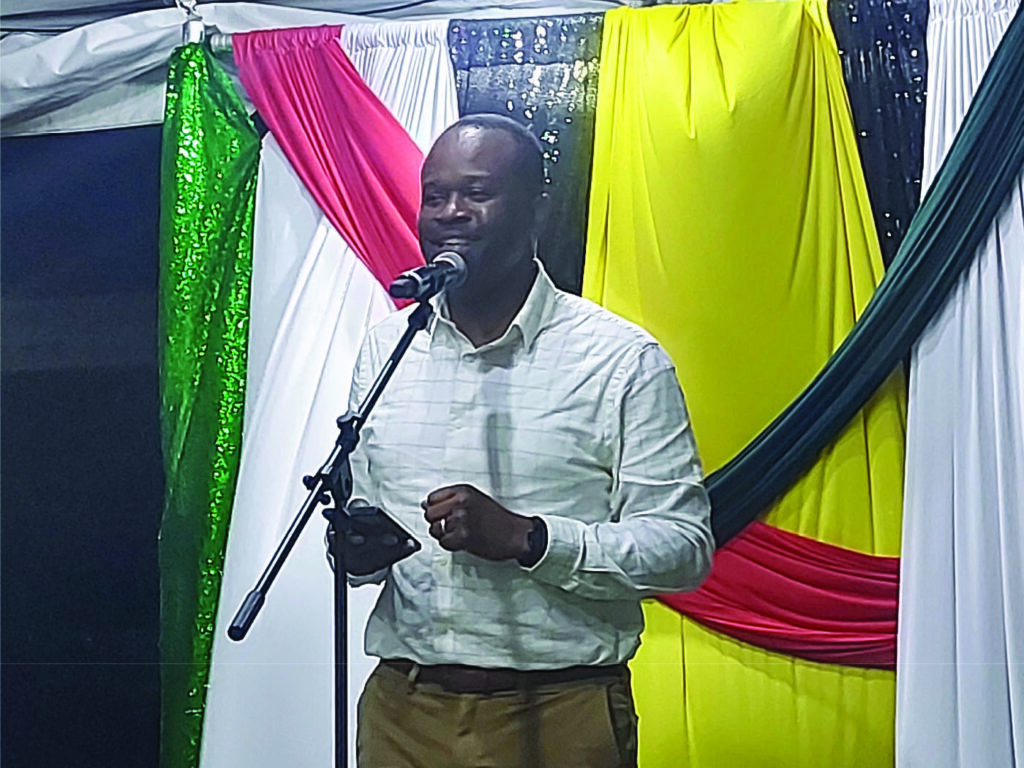
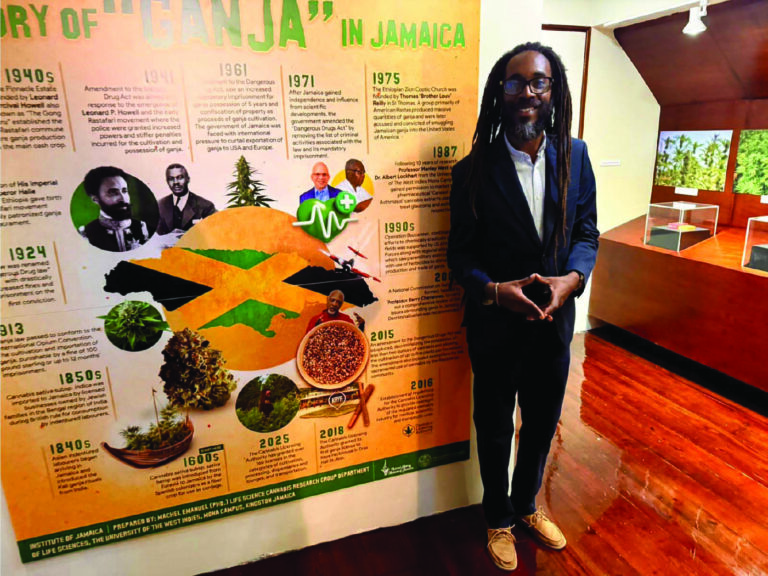
BASSETERRE, St. Kitts (Wednesday 4th February 2026)-Consultant to the Medicinal Cannabis Authority, Dr. Machel Emanuel, has cautioned that adolescents should not engage in smoking cannabis, citing research that highlights serious risks to brain development and cognitive function.
He made the remarks during a public medicinal cannabis lecture held on Tuesday 3rd February 2026 at the Department of Agriculture Large Conference Room, where he was asked for his views on the younger generation using cannabis products.
“Adolescents really should not engage in smoking cannabis because research has definitely shown that the issues surrounding with the development of your brain, particularly the frontal cortex, which deals with higher thinking and cognitive capabilities,” Dr. Emanuel explained.
He further warned that modern cultivation practices have intensified the risks, noting, “particularly with the new age of the sort of breeding, selective breeding that has taken place where we see the psychoactive component of cannabis has been inflated extremely high.”
According to Dr. Emanuel, these developments could have lasting consequences for young people, especially those who are still forming their identity and sense of purpose.
“And this could cause serious detrimental effects, particularly to an adolescent person who has not developed purpose in life. You know, I always say if an adolescent becomes dependent on money or cannabis, that poses a serious problem – that every activity that they want to partake in, they believe they have to be under the influence of cannabis to actually do that,” he said.
He stressed that maturity and responsibility play a critical role in cannabis use, adding, “so that’s why becoming an adult and having responsibilities allows you to develop a sort of responsible use and a sort of cannabis ethic based on how you use cannabis, where you get your cannabis from, and times of day that you will generally consume cannabis for.”
Dr. Emanuel emphasized that adolescents require particular protection, given the nature of the substance.
“So in terms of the adolescent population, they need to be protected because we know cannabis is a psychotropic substance and it can bring about dependency,” he stated.
However, he also made it clear that this position does not negate the medically regulated use of cannabis for young people under strict guidelines.
“But just to note, research has definitely shown that under particular channels through the regulatory framework, adolescents also need to have access to medicinal cannabis products [for conditions] such as epilepsy, such as ADA, such as various conditions that adolescents may face. Cannabis has shown and proven to provide alleviation to certain symptoms and allow that individual to live a more normal life without cannabis medicine,” Dr. Emanuel said.
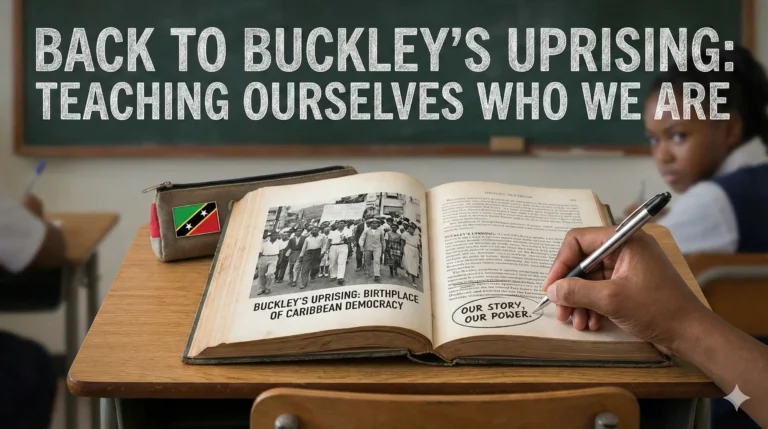
As national conversation recently turned to the Buckley’s Uprising and the government’s intention to mandate its teaching across all schools as part of the history curriculum, it is worth pausing-not just to applaud the initiative once again but to reflect on its deeper meaning and long-term promise.
Education has always been one of the most powerful tools for empowerment. A people who understand their history are far less likely to be confused about their identity, manipulated in their thinking, or uncertain about their future. When we teach our children who they are, where they come from and the struggles that shaped their present, we are not merely imparting facts-we are cultivating consciousness.
The Buckley’s Uprising is not just a historical event to be memorised for an examination. It is a living lesson in courage, resistance, sacrifice and collective action. It tells the story of ordinary working people who, faced with injustice and hardship, dared to challenge an oppressive system and demand dignity. That lesson alone carries immense value in shaping young minds to understand that progress has never been handed to us-it has been fought for.
Mandating the teaching of Buckley’s in our schools is therefore not about dwelling in the past. It is about anchoring our future. Such would allow students to see themselves reflected in history-not as passive observers of foreign narratives but as active contributors to their own story. In that sense, learning our local history becomes an essential part of Black history education. It affirms that Black resistance, resilience and intellect did not only happen elsewhere; it happened here, on this soil, among people who looked like us and lived where we live.
One can only imagine the impact if, over time, our history curriculum holistically captured the full essence of who we are as a Black people-our struggles and triumphs, our labour movements, cultural expressions, political awakening and community values. Such an approach would nurture a healthy and normal sense of pride, not rooted in arrogance but in understanding. Pride that shapes how we think, how we act and how we relate to one another as individuals, as a society, and as a nation.
When young people are grounded in their own story, they develop a clearer moral compass. They begin to see citizenship not merely as a legal status, but as a responsibility. They understand that nation-building is not abstract-it is personal. In that light, the national motto, “Country Above Self,” ceases to be a slogan recited on ceremonial occasions and becomes a lived principle, informed by historical context and collective memory.
The move to embed Buckley’s Uprising into the education system is therefore a step in the right direction but it should also be the beginning of a broader vision. A vision where education is intentionally used to empower, to heal historical amnesia and to strengthen national identity because a people who know themselves deeply are far better equipped to chart their course boldly.
If we truly want to build a confident, conscious and cohesive society, then teaching our children their own history is not optional-it is essential.
BASSETERRE, St. Kitts (Wednesday 28th January 2026)-Cabinet has approved the acquisition of lands at Buckley’s Estate, paving the way for the construction of a national monument.
Such disclosure was made by Parliamentary Representative for St.Christopher Three (West Basseterre) Konris Maynard, during the annual 1935 Buckley’s Uprising commemoration ceremony for the 91st anniversary held on Wednesday 28th January at the Buckley’s Estate grounds-as organised by the Nyabinghi Theocracy Order.
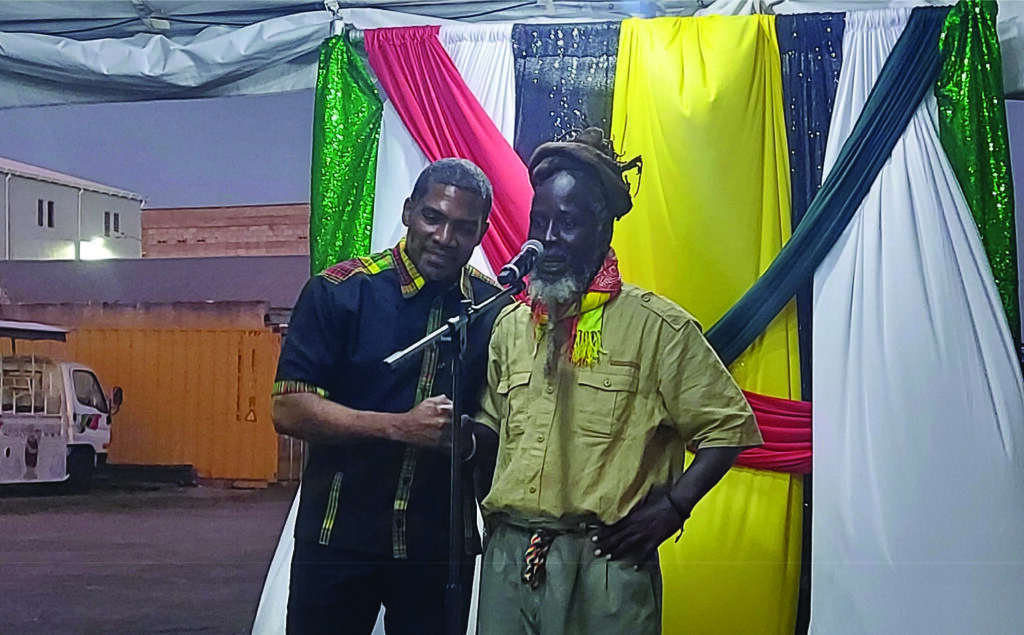
Prime Minister Dr.Terrance Drew (left) share a moment with of the Public Relations Officer of the Nyabinghi Theocracy Order Samande ‘Ras Iya’ Reid during the annual 1935 Buckley’s Uprising commemoration ceremony for the 91st anniversary held on Wednesday 28th January 2026 at the Buckley’s Estate grounds-as organised by the Nyabinghi Theocracy Order (Spokesman Snap)
Maynard, during the ceremony, also announced Cabinet’s approval for the history of the Buckley’s Uprising to be mandated as part of the national history curriculum in all schools and Cabinet’s approval of the process toward consideration of January 28 as a national holiday as well as plans for a commemorative button design competition for primary school students in Grades 4 to 6, to be led by the Buckley’s Uprising Committee.
Parliamentary Representative for St.Christopher Three (West Basseterre) Konris Maynard seen while making remarks during the annual 1935 Buckley’s Uprising commemoration ceremony for the 91st anniversary held on Wednesday 28th January 2026 at the Buckley’s Estate grounds-as organised by the Nyabinghi Theocracy Order (Spokesman Snap)
Maynard confirmed that Cabinet has approved the land acquisition and that the relevant ministry has identified lands for exchange that the owners are willing to accept. He stated that formalisation of the transfer is now imminent.
“Last year, we announced that the government had agreed to engage the owners of this land to arrange acquisition in exchange for other lands. Today, I can confirm that the Cabinet has now approved the acquisition of this land and the relevant ministry has identified the lands for exchange that the owners are willing to accept. Formalisation of this transfer is now imminent,” he said.
Maynard explained that the land will now be officially designated for the construction of a monument commemorating the Buckley’s Uprising.
Addressing the gathering, Maynard reflected on the historical significance of the site, describing it as “hallowed ground” where workers in 1935 took a stand against economic injustice and oppression.
“They didn’t just march for fairer wages, but for dignity, for respect, for rights and for the future of themselves, their family and their children,” he said.
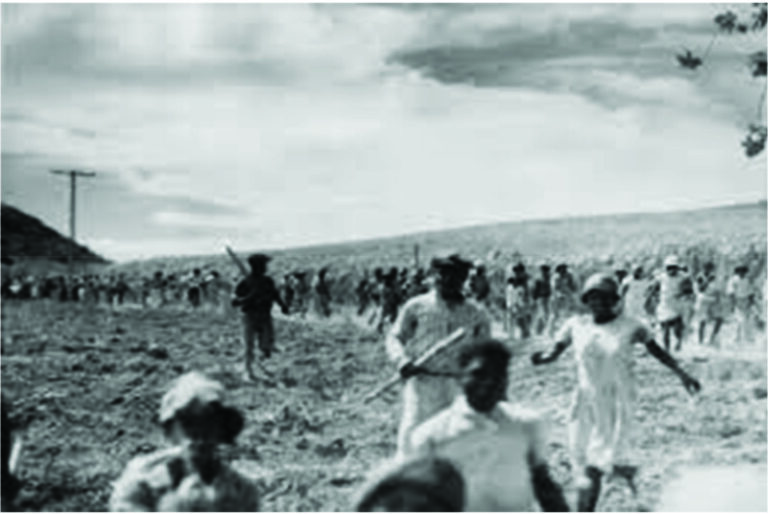
He recounted that on January 28, 1935, cane cutters went on strike after being denied compensation for their labour. The protest expanded as workers from neighbouring estates joined the march, confronting intimidation by colonial authorities.
The response, he pointed out, resulted in the deaths of Joseph Samuel, John Allen and James Archibald, with others wounded.
“This event which we have here today highlights that their sacrifice was not in vain,” Maynard said, adding that the uprising helped to usher in inquiry and reform across the Caribbean, including the lifting of bans on workers’ rights and the ability of workers to organise.
Maynard also acknowledged the role of the Nyabinghi Theocracy Order, crediting the group with sustaining the annual commemoration for decades.
“For many years, the Rastafari -the Nyabinghi Theocracy Order- has faithfully organised this annual commemoration of the Buckley’s Uprising. Without their unwavering commitment, this story might not hold as prominent a place in our national memory as it does.”
He described the Order as rooted in the broader Nyabinghi tradition found across the Caribbean within the Rastafari movement, emphasising resistance to oppression, remembrance of African heritage and liberation of the mind, body and community.
“The Order as you know has been extraordinarily active in this Federation for decades embodying principles of service, community support and cultural consciousness. Beyond this ceremony, its members have engaged in education, in social outreach, and cultural affirmations that strengthen our understanding of who we are and what we have endured as a people,” he shared.
Turning to government action, Maynard said that in 2023, the administration approved the establishment of a dedicated committee tasked with ensuring that the state properly honours the Buckley’s Uprising.
The committee’s mandate includes the erection of a monument as a first phase, followed by plans for a world-class museum at Buckley’s Estate.
“This work is not only about creating monuments and buildings; it’s about making sure that every generation understands where we have come from and how those who stood here fought not only for wages, but for rights, equality and dignity.”
As part of the committee’s public education efforts, Maynard spoke about upcoming plans for the launch of a commemorative button design competition which is intended to engage young people in learning about the uprising while encouraging creativity. He highlighted that the winning student and school will receive awards, including a monetary prize and a trophy.
On topic of the school curriculum, Maynard commented: “I am pleased to announce that the Cabinet has considered and approved that the history of the Buckley’s Uprising be mandated as part of the history curriculum of all of our schools,” he said. “It is now officially mandated that the history of the 1935 Buckley’s Uprising be taught in all schools in St. Kitts and Nevis.”
While speaking about the approved national holiday, he said: “I’m also pleased to announce, because we have heard the request, we have set up the committee to have these discussions, the cabinet has considered these important steps in honouring the fight of our fallen heroes. And so with the permission of the Chair of Cabinet, the Prime Minister, I am also pleased to announce that Cabinet has considered and approved the process for consideration of January 28 as a national holiday.”
Maynard encouraged: “… as we stand here to mark yet another year of remembrance, let courage of those who marched here in 1935, the heritage of our ancestors forged, and the ongoing work of those who helped keep the memory alive. Let us recommit ourselves to the principles of justice, equality, respect and togetherness so that the sacrifices made on this ground continue to guide us well into our future.”
Ahead of Maynard’s presentation, Prime Minister Dr.Terrance Drew, during his remarks, mentioned that some “significant announcements” would be made “because we believe that the time has come when our martys should be recognized…and this holy ground should be recognized in the way it should be.”
BRIDGETOWN, BARBADOS. January 23, 2026 — Applications are now open at the Sagicor Cave Hill School of Business and Management (SCHSBM), The University of the West Indies, Cave Hill Campus for degree programmes beginning in August, as the School expands its academic offering to prepare students for leadership in sectors reshaping the global economy.
SCHSBM’s Executive Director and CEO, Dr. Dion Greenidge, said the School’s approach reflects a dedication to education as a public good.
“Our commitment is to widening access to education that prepares people to step into leadership,” the CEO said. “Through programmes in the leading fields shaping the global economy today, delivered with a strong Caribbean perspective, SCHSBM prepares graduates to work and lead anywhere in the world while remaining grounded in the region they serve.”
The new academic year introduces degree pathways across aviation, sustainability, energy, artificial intelligence, cybersecurity and data analytics. SCHSBM frames this expansion in programme offerings around a clear aim: building a community of future-conscious Caribbean leaders equipped to think critically, act responsibly and lead with purpose at a global level.
The newly established Aviation Ground School opens clear degree pathways linked to a Commercial Pilot Licence (CPL), including the BBA Aviation Management with CPL, MSc Aviation and Airline Business Analytics with CPL, and MSc Sustainable Air Transport and Aviation Management with CPL. These programmes blend flight training with business leadership in aviation operations, analytics and sustainability, enabling graduates to take their place in the cockpit and to shape the future of air transport through roles in airline management, strategic planning and sector-wide transformation.
SCHSBM has also launched new specialised MBAs and master’s degrees in Energy Business, Finance, Cybersecurity Management, AI and Data & Analytics, Sustainability Management, Sustainable Procurement, Logistics and Supply Chain Management, Energy Finance and Trade, and Taxation and Policy. These programmes are designed for fields where informed decision-making now carries high economic, technological and societal stakes.
Applications for academic programmes close on March 31, with early registration incentives available until February 15. A range of scholarships is also available, including part-time MBA awards and programme-specific scholarships across sustainability, digital futures, energy and aviation.
Professional and Executive Pathways
Senior leaders and talent managers seeking to keep their organisations competitive can access SCHSBM Executive Education short courses spanning leadership, data, risk, sustainability and other emerging capability areas. Corporate bundles and special group rates are also available to support Caribbean-based organisations in ensuring sustained strategic relevance and business growth.
Prospective students are encouraged to apply early to access incentives and explore programme options.
About the Sagicor Cave Hill School of Business and Management
The Sagicor Cave Hill School of Business and Management (SCHSBM) is the business school of the University of the West Indies, Cave Hill Campus, an internationally accredited university serving the Caribbean and the wider global community. SCHSBM is dedicated to building an ecosystem of future-conscious leaders who develop sustainable businesses and organisations for the benefit of all stakeholders. Through undergraduate, postgraduate, executive education and professional development programmes, the School delivers leadership education aligned with regional priorities and ground in international standards.
A Black History Month Early Present: Buckley’s Uprising to Be Taught in Schools
The best kind of news ahead of the start of Black History Month is the Government’s recent disclosure about approval for the 1935 Buckley’s Uprising to be mandated as part of the national history curriculum of all schools.
For far too many decades, St. Kitts and Nevis has missed critical opportunities to fully spotlight and institutionalise the teaching of an event that earned Buckley’s Estate the distinction of being recognised as the “Birthplace of Caribbean Democracy.” This was not a local disturbance confined to a sugar estate where workers stood up for justice; it was a seismic moment that ignited political awakening, labour reform, and democratic consciousness across the Caribbean and beyond-AN UPRISING!
Some of these workers on St.Kitts paid the ultimate sacrifice in the fight for betterment. Joseph Samuel, John Allen and James Archibald were killed, and others injured.
Further strengthening this week’s announcement moment-on the 91st anniversary occasion- include the acquisition of land for the establishment of a national monument at Buckley’s, progress from commitments made last year, Cabinet’s approval of the process for consideration of January 28 as a national holiday- a move that signals growing recognition of the uprising’s national importance as well as a commemorative button design competition for primary schools (grades 4-6) by the Buckley’s Uprising Committee.
So while many may rightly ask why it has taken so long, the reality remains: better late than never. Commendation is due to the Government for this important and forward-thinking decision. Equal recognition must also be given to the Rastafari movement-particularly the Nyabinghi Theocracy Order-for consistently keeping national attention focused on the significance of Buckley’s Uprising, ensuring that its meaning was neither diluted nor forgotten.
Once this history is formally embedded in the curriculum, generations present and those yet unborn will come to know what truly occurred and more importantly, understand the impact of a moment when disgruntled workers courageously rose to demand better wages, improved working conditions, and socio-economic advancement. Buckley’s Uprising was a pivotal chapter in our national story-one that opened avenues for profound transformation.
From that single moment flowed critical developments that shaped our Federation: adult suffrage (the right to vote), the legalisation of workers’ unions with the emergence of organised labour movements such as the St. Kitts-Nevis Trades and Labour Union, the formation of political parties and eventually the road toward independence. These were not coincidences; they were the direct outcomes of collective resistance and sacrifice.
Nor was the influence of Buckley’s Uprising confined to our shores. Other Caribbean territories drew inspiration from the courage displayed in 1935, adopting similar strategies in their own struggles for workers’ rights, self-governance, and political reform. Teaching this history properly places St. Kitts and Nevis in its rightful position as a catalyst for regional democratic development.
One cannot help but ask: What impact will this education have on our national psyche? What level of patriotism, civic consciousness, and pride will be ignited when young people understand that democracy here was not gifted but fought for? Knowing our past has the power to inform how we chart our future.
Indeed, we must learn to value our history if we are to empower ourselves.
It must be acknowledged that many citizens still do not fully understand the details or depth of the Buckley’s Uprising. Some only learn fragments of its history well into adulthood, while others remain unclear about its fundamental causes and consequences. This gap in knowledge underscores why the current announcement is not merely symbolic-it is essential.
Let this moment challenge all of us to learn, reflect and engage more deeply with our history, so that by the time 2027 arrives, January 28 will not be viewed as just another day off, but as a solemn and meaningful commemoration of sacrifice, struggle, and progress.
To truly honour Buckley’s Uprising, we must not only mark it on the calendar-we must emotionally, intellectually, and educationally comprehend its significance. Those who understand the history welcome this announcement precisely because they recognise its power to strengthen national identity and deepen democratic values.
This decision, coming at the threshold of Black History Month, is indeed an early present-one that, if properly implemented, will resonate for generations to come.
Basseterre, St. Kitts and Nevis – 21st January 2026 — The St. Kitts-Nevis Football Association (SKNFA) has announced the implementation of a landmark pilot initiative designed to provide direct financial support to Premier Division clubs, as the Association advances its strategic objective of transitioning the Premier League toward a semi-professional competition.
Effective from Round Two of the 2025–2026 Premier Division season, the SKNFA will introduce a structured gate-receipts revenue-sharing model aimed at strengthening club sustainability, improving player welfare, and elevating the overall standard of domestic football.
Under the new framework, fifty percent (50%) of gate receipts will be distributed to participating clubs as follows:
Regular Season
• Fifty percent (50%) of gate receipts to be divided equally among the ten (10) Premier Division clubs.
Final Four
• Fifty percent (50%) of gate receipts to be divided equally among the four (4) qualifying clubs.
Best-of-Three Finals
• Fifty percent (50%) of gate receipts to be divided equally between the two (2) finalist clubs.
The remaining portion of gate receipts will continue to support match operations, officiating, administration, and the broader developmental responsibilities of the Association.
The SKNFA views this initiative as a critical step in modernizing the local football ecosystem and aligning the Premier Division with best practices across the Caribbean and CONCACAF regions. Clubs are strongly encouraged to apply these funds toward enhancing operational capacity, with particular emphasis on player remuneration, welfare, and professional standards.
“This pilot initiative reflects the Association’s commitment to meaningful reform and shared growth,” the SKNFA stated. “As we work collectively toward a semi-professional league structure, it is essential that clubs are better positioned to invest in their players and operations. This is a bold but necessary step in raising the profile and competitiveness of football in St. Kitts and Nevis.”
The SKNFA will continue to monitor and evaluate the impact of the revenue-sharing model throughout the season, with a view to further refinements and long-term implementation as part of its broader Premier League transformation agenda.
Basseterre, St. Kitts – The St. Kitts and Nevis Medicinal Cannabis Authority is pleased to announce that Dr. Machel A. Emanuel, a leading regional expert in cannabis science and tropical horticulture, will visit the Federation for a series of stakeholder engagements, public education initiatives, and media appearances.
During his visit, Dr. Emanuel will meet with key stakeholders in the emerging medicinal cannabis industry, including policymakers, health professionals, farmers, private sector representatives, and community leaders. Stakeholder meetings will be held on both St. Kitts and Nevis, as the Authority continues its consultative approach to building a sustainable, science-based medicinal cannabis sector.
As part of his public outreach, Dr. Emanuel will appear on “Infocus” on ZIZ Television on Wednesday, January 28th, where he will discuss the role of medicinal cannabis in national development, opportunities for research and innovation, and best practices across the region.
Dr. Emanuel will also be the featured speaker at a public lecture on Tuesday, February 3rd, under the theme:
“Medicinal Cannabis as a Driver of Sustainable Development for Small Island Caribbean States.” The lecture will explore how a well-regulated medicinal cannabis industry can contribute to economic diversification, job creation, research capacity, public health, and environmental sustainability in small island developing states like St. Kitts and Nevis. Details on the venue and time will be announced shortly.
Dr. Machel Emanuel is a Senior Lecturer/Researcher in the Department of Life Sciences at the University of the West Indies, Mona Campus, Jamaica. He is the Principal Investigator of the Life Science Cannabis Research Group, his research team conducts research in Cannabis reform policy for the Caribbean region and the application, efficacy and quality assurance of Tropical Horticulture for the production of Cannabis sativa. He collaborates with the Humboldt Seed Company in the development of cannabis germplasm suited for equatorial cultivation. The research group has also received grant funding from BioBizz Worldwide Organics in advancing sustainable and environmentally friendly practices from cannabis production.
Dr Emanuel is the Vice- chair of the Bureau of Standards Jamaica Cannabis Technical Committee for the development of standards for the Jamaica Cannabis Industry. He was appointed Technical Advisor Consultant for the Government of the Commonwealth of Dominica for the establishment of regulated cannabis industries. Dr Emanuel Was listed in Leaf Nation 2024 Impact list as one of the individuals making an impact in the Cannabis world.
The St. Kitts and Nevis Medicinal Cannabis Authority views Dr. Emanuel’s visit as an important step in strengthening the Federation’s policy framework, technical capacity, and public understanding as it develops a responsible, evidence-based medicinal cannabis industry.
Further details on Dr. Emanuel’s schedule, public lecture venue, and stakeholder meetings will be shared in the coming days.
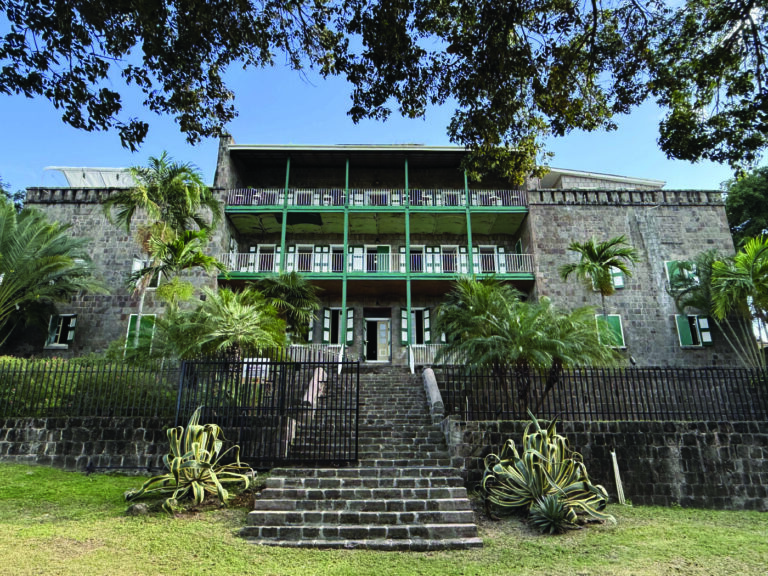
On January 17, the U.S. Embassy joined representatives of the Government of St. Kitts and Nevis, including Nevis Premier, the Honorable Mark Brantley, along with members of the Nevis Historical and Conservation Society at the Bath Hotel in Nevis to mark the successful completion of the second phase of restoration and stabilization work at the historic site. The project was supported through the U.S. Government’s Ambassador’s Fund for Cultural Preservation, with total funding of just over US$400,000 provided across two phases. The Ambassador’s Fund for Cultural Preservation supports the preservation of historic sites and cultural heritage worldwide, reflecting the United States’ commitment to strengthening communities and promoting mutual understanding.
Nevis holds particular historical significance for the United States as the birthplace of Alexander Hamilton, one of America’s Founding Fathers, underscoring the enduring ties between the two countries. As one of the Caribbean’s earliest purpose-built hotels, the Bath Hotel reflects Nevis’s long-standing tradition of hospitality and global engagement. The completion of this phase of work ensures the site’s continued preservation for educational and cultural purposes.
During a brief ceremony, Chargé d’Affaires of U.S. Embassy Bridgetown, Karin Sullivan commended the Nevis Historical and Conservation Society for its stewardship and noted that by preserving this historic site, the United States and St. Kitts and Nevis are ensuring that future generations can learn from and be inspired by Nevis’s rich history. She added, “This project demonstrates what the United States and St. Kitts and Nevis can achieve through collaboration, shared values, and respect for cultural heritage.”
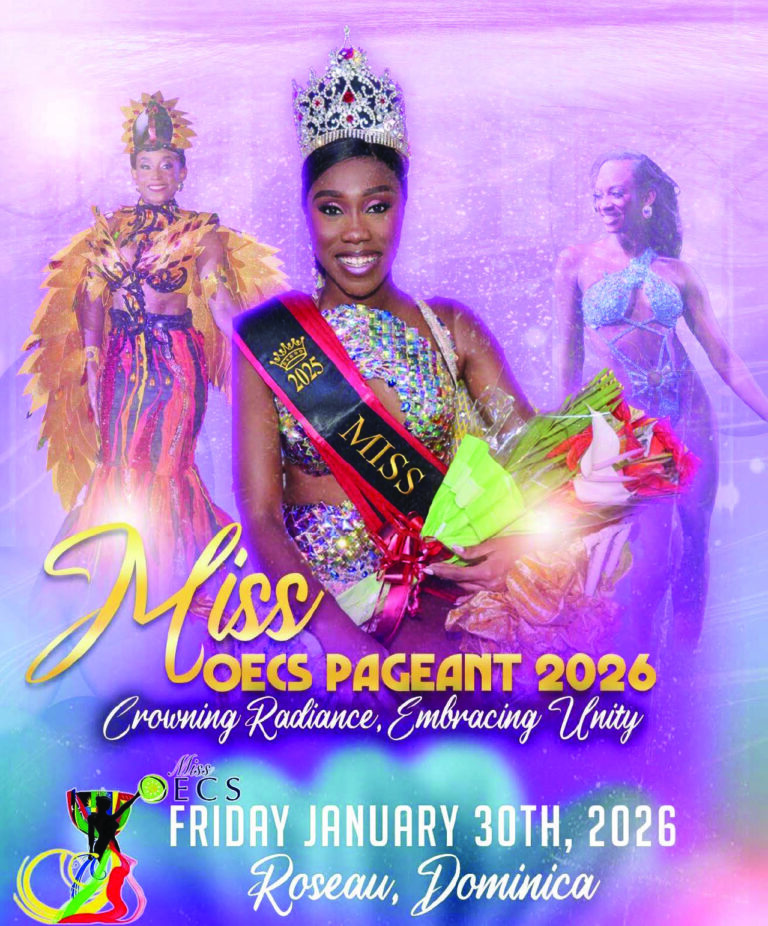
The Miss OECS Pageant Committee, in partnership with the OECS Commission, is pleased to announce the 2026 edition of the prestigious MISS OECS Pageant. The event is set to take place on Friday, January 30th, 2026, at the Windsor Park Stadium in Roseau, Dominica.
Staged under the theme “Crowning Radiance, Embracing Unity,” this year’s pageant highlights the collective brilliance and leadership of young women across the Eastern Caribbean.
The OECS Commission continues its official endorsement of the pageant, recognizing it as a vital platform for youth empowerment and regional integration.
“We are proud to partner with the Miss OECS Pageant Committee once again. This collaboration allows us to celebrate the unique identities of our Member States while fostering a spirit of togetherness among our future leaders.”, said Dr Didacus Jules, the Director General of the OECS.
The 2026 competition will feature elite delegates from Anguilla, Antigua and Barbuda, British Virgin Islands, Dominica, Saint Vincent and the Grenadines, and Martinique. These ambassadors will compete in several judged segments, including:
Creative National Wear
Performing Talent
Swimwear
Evening Gown
Best Question and Answer
Reigning Queen Kyanna Dyer of Dominica will take her final walk and crown her successor, who will then serve as a regional advocate for youth empowerment and cultural development throughout her one-year reign.
The Miss OECS Pageant Committee and the OECS Commission extend profound gratitude to our 2026 partners, whose support makes this regional showcase possible:
OECS PEARL Dominica, the Division of Culture, Agricultural Industrial Development (AID) Bank, National Bank of Dominica (NBD), Big Edge Financing, Kairi FM, Fine Foods Inc., Rapid Response Recovery, Bulls Eye Pharmacy, Grippa’s Construction, Flow Dominica, Sunrise Airways, and the Discover Dominica Authority.
Event Details:
Date: Friday, January 30th, 2026
Time: 8:00 PM
Location: Windsor Park Stadium, Roseau, Dominica
Tickets: available at BullsEye Pharmacy 🇩🇲 & ShopDM
The public is encouraged to follow the official OECS social media channels for exclusive “behind-the-scenes” content as the contestants prepare for this radiant showcase of Caribbean excellence and unity.
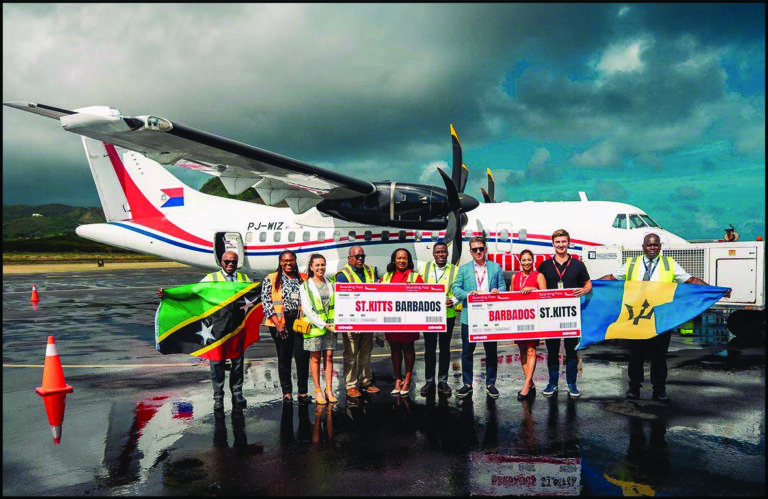
Basseterre, St. Kitts (20 January 2026) — St. Kitts has recorded continued growth in airlift with the successful arrival of Winair’s inaugural flight from Barbados (BGI) on Thursday, 15 January 2026, highlighting the launch of a new route for the regional carrier and strengthening connectivity between the destination and the southern Caribbean.
The inaugural flight was celebrated at Robert L. Bradshaw International Airport with a ceremonial water salute, cultural performance by masquerades, and the participation of tourism industry partners.
The new three-times-weekly service is expected to play a critical role in enhancing access to St. Kitts from the southern Caribbean, supporting increased visitor arrivals, regional business travel, and intra-Caribbean connectivity. The route aligns with the Tourism Authority’s strategic plan to strengthen regional travel, with particular focus on reintroducing the destination to the southern Caribbean.
The Hon. Marsha T. Henderson, Minister of Tourism, welcomed the new service by reinforcing its importance to the destination’s continued growth:
“The launch of Winair’s new route represents a significant step forward in our efforts to improve regional connectivity and make travel to St. Kitts more seamless for our Caribbean neighbours,” said Minister Henderson. “Strengthening air access from the southern Caribbean is a strategic priority for us, and this new service supports tourism growth, business development, and deeper regional integration.”
Hans van de Velde, CEO of Winair, emphasized the importance of increasing airlift across the region:
“The new SKB–BGI service is an important step in expanding reliable and punctual connectivity across the Eastern Caribbean. We’re pleased to strengthen St. Kitts’ links to Barbados with three weekly flights.”
Winair’s expansion into this route further reinforces St. Kitts’s status as a premier destination for leisure and business travelers alike.