Home Blog Page 2

CDU Hosts OECS Pearl Consultations Across St. Kitts And Nevis

0

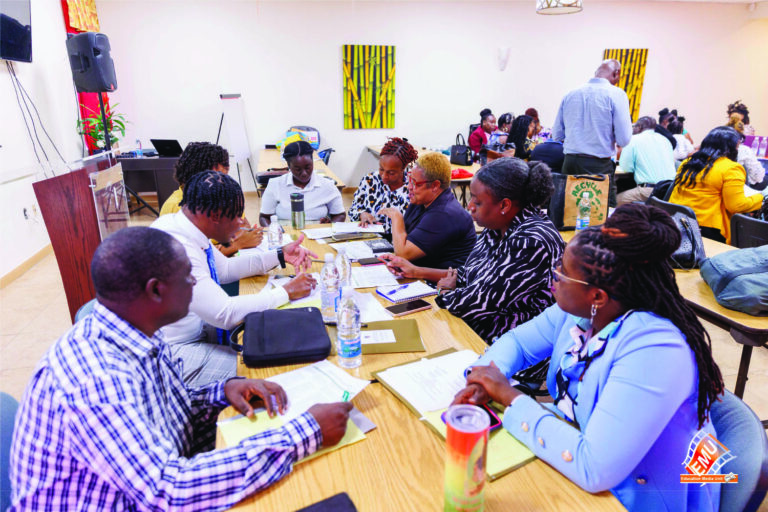
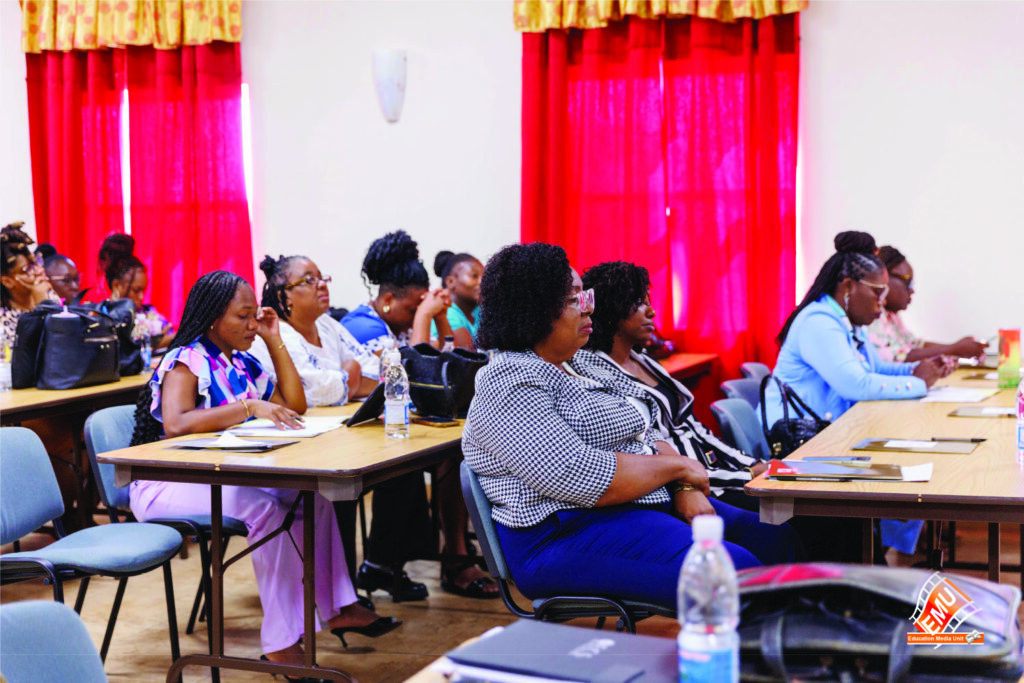
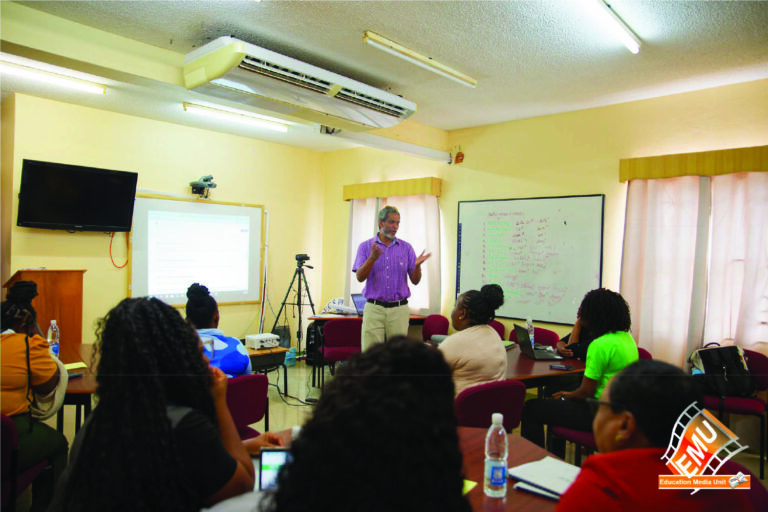
Basseterre, St. Kitts, Wednesday, February 25, 2026: The Curriculum Development Unit (CDU) is hosting a series of Organisation of Eastern Caribbean States (OECS) PEARL Sustainability and Re-generation Consultations from Monday, February 23, to Thursday, February 26, aimed at strengthening collaboration and advancing educational development across St. Kitts and Nevis.

The four-day series of consultations brings together key education stakeholders to discuss strategies, share insights, and provide feedback to support the continued enhancement of the education system. 

Mr. Francil Morris, Chief Education Officer, Ministry of Education, underscored the region’s major strides in educational innovation and stressed the importance of sustaining these efforts beyond initial rollout.

“Over the past years, we have been part of building something extraordinary: the Generative 5 (Gen 5) assets, the harmonized digital curriculum, the regional early reading and Mathematics assessments, the MyPD platform, the CSSI improvement model, and our shared MERL architecture. These tools have been rigorously designed, tested, and shaped through your direct work, insights, and leadership. But as the Sustainability Guide reminds us, implementation is only the beginning.”

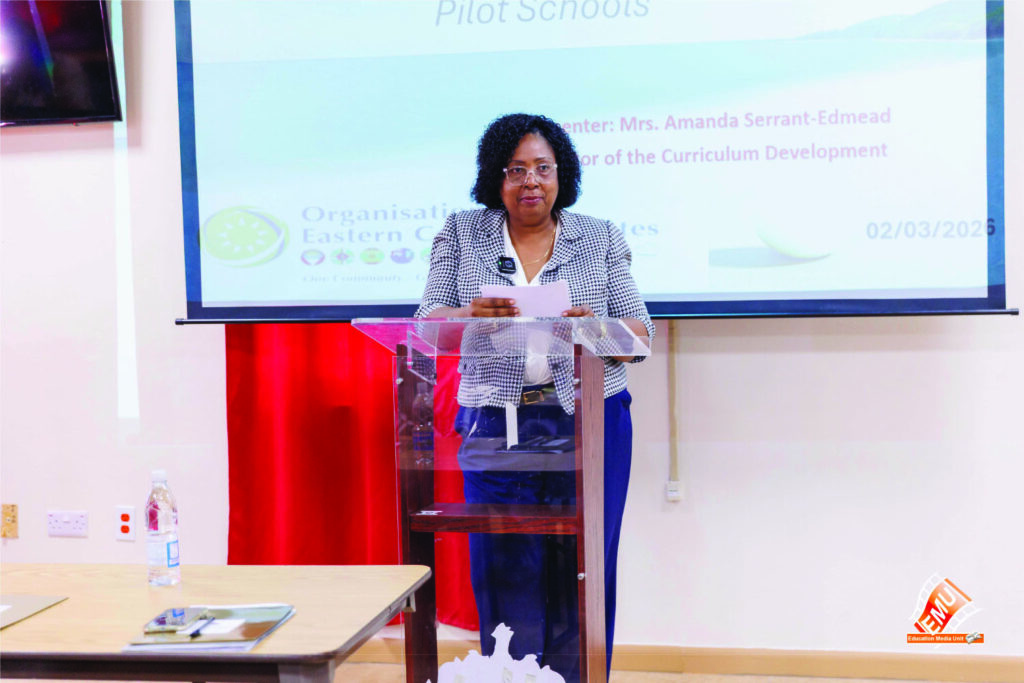
Mrs. Amanda Serrant – Edmead, Director, Curriculum Development Unit, emphasized the importance of transforming recent reforms into enduring structures.

“As we move towards the end of the project phase, we face a critical choice: we can allow this work to remain a successful pilot, or we can ensure that it becomes permanent in how we do education in St. Kitts and Nevis and the OECS. This sustainability and regenerative consultation is a bout making that shift. Moving from project implementing initiatives to embedding it into the system, from short-term reform to long-term stability, from external support to internal strength.”

The consultations began on Monday, February 23, with a session involving teachers and principals. This meeting provided an opportunity for educators at the school level to share their experiences, challenges, and recommendations regarding curriculum implementation and instructional practices.

On Tuesday, February 24, the focus shifted to senior leadership within the Ministry of Education in St. Kitts. Wednesday’s session brought together Education Officers and members of the Curriculum Development Unit (CDU). The final session will take place on Thursday, February 26, in Nevis, where officials from the Ministry of Education, Nevis, will participate in consultations.  

The OECS PEARL consultations underscore the CDU’s commitment to inclusive stakeholder engagement and continuous improvement within the education sector. By engaging educators, administrators, and ministry officials, the initiative aims to strengthen educational outcomes and ensure that national efforts remain aligned with regional priorities.

“None Is Coming to Save Us”: PM Drew Calls for Unity On Topics At CARICOM Full Members Gathering

By: Spokesman Newsroom

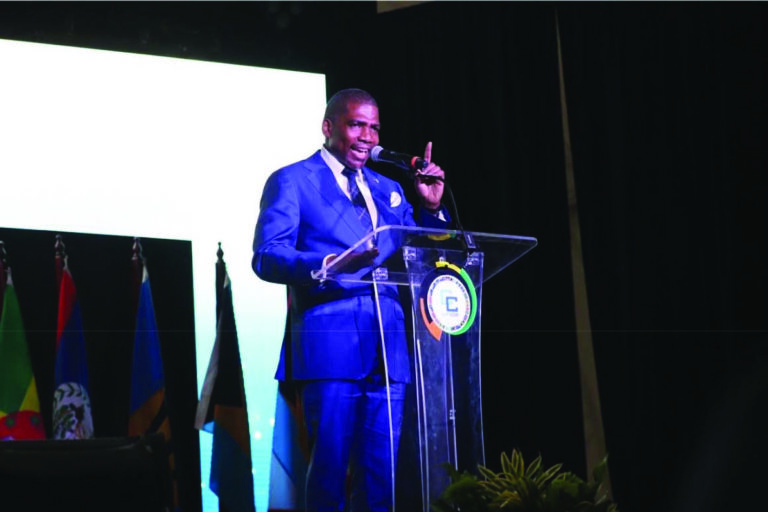
BASSETERRE, St. Kitts (Thursday 26th February 2026)- “Let us strengthen CARICOM. Strengthen CARICOM…for none is coming to save us. We must save ourselves. As we depart from this gathering, may we do so confident in our shared strength and unwavering in our collective purpose.”

So declared CARICOM Chairman and Prime Minister of St. Kitts and Nevis, Dr. Terrance Drew, in delivering the keynote address at the opening of the 50th Regular Meeting of the Conference of Heads of Government of CARICOM on Tuesday, 24th February 2026, at the St. Kitts Marriott Dome in Frigate Bay, Basseterre.

In his address, Dr. Drew outlined critical areas for regional focus, including humanitarian assistance to Haiti and Cuba, intraregional trade and travel, energy security, climate resilience, digital transformation, regional crime prevention, and public health coordination.

Highlighting the historic significance of the gathering, he said: “…in our presence, are all the leaders of the full members of CARICOM. Almost all the leaders of the associated states. And the last time when we had all the leaders in the same space for a meeting was over 10 years ago. So in adversity, there’s opportunity.”

Reflecting on his recent travels across the region, Dr. Drew shared: “I traveled across the Caribbean, my Caribbean, your Caribbean. My intention was to visit as many heads of government, as many leaders as time would permit. But as I traveled from state to state, country to country, and in many cases, island to island… there was one undeniable fact: this Caribbean of ours is the most beautiful place on earth.”

Meeting each leader, he said, “stirred a sense of pride, a sense of dignity, that though we varied sometimes in our outlook, politics, and geopolitical position, these leaders in the Caribbean, who are a reflection of all people, are surely people to be proud of.”

On the necessity of regional cohesion, Dr. Drew emphasized: “If ever there was a time to recommit ourselves to togetherness, it is now. Respecting our sovereignty-as very eloquently put by the Prime Minister of Trinidad and Tobago-our sovereignties must be respected. But while we do that, and that cannot be compromised, I am hoping that this conference be remembered not merely for eloquence and speeches, not merely for the beautiful venues or the excellent entertainment, but for action, for execution that would advance our Caribbean community and civilization.”

He urged measurable outcomes and shared responsibility: “We must commit to disciplined coordination, faithful adherence to the principles that founded our community, and strengthen CARICOM because none is coming to save us. We must save ourselves.”

On energy security, he remarked: “We want better for our people. I am willing to set aside political differences so that we can treat geothermal and energy independence as a national matter. Without CARICOM, our progress on geothermal energy in Nevis would not have been possible. I thank our partners, including the Kingdom of Saudi Arabia, for their support.”

Addressing regional trade, Dr. Drew said: “Trade is not merely an economic transaction; it is a circulation of opportunity. We owe it to all our people to ensure opportunity moves freely within our community.”

On regional security, he highlighted: “Transnational criminal networks exploit our geography. Illicit firearms, narcotics trafficking, cybercrime, and money laundering undermine safety and economic confidence. Our response must be intelligence-driven and regionally coordinated. Here in St. Kitts and Nevis, we have approached crime and violence through a public health lens, integrating enforcement, social services, and community engagement. As a result, homicides have dropped to the lowest levels in decades. Trauma that could have been caused has been replaced by hope.”

Speaking on humanitarian assistance, he said: “A stable Haiti is a stable Caribbean. We have welcomed members of the Haitian community and extended social services and support. Similarly, the humanitarian situation in Cuba demands serious attention. CARICOM must serve as a conduit for dialogue and ensure the best outcome. Even as a small state, our collective effort can stabilize the region.”

Dr. Drew stressed climate action: “Rising sea levels, stronger hurricanes, and unpredictable rainfall threaten our infrastructure and economies. Climate action rooted in togetherness safeguards our shared future. The Caribbean is disproportionately affected by climate change. We must advocate for ourselves internationally while strengthening resilience at home.”

On technological advancement, he observed: “Digital infrastructure strengthens governance, commerce, education, and security. Initiatives like expanded digital education illustrate how innovation can widen access and empower our youth. Technological progress pursued together expands possibility for all of our people.”

Giving a rallying call to his regional colleagues, he told: “History will not measure us by our communiques, but by our courage. If we act together, as we have done in confronting COVID through CARPHA, and if we harness our collective ingenuity, we shall rise again-together-for the benefit of all our people.”

Brantley Accuses Federal Review Process Of Slowing Up Proposed Destiny Project

By: Spokesman Newsroom

 BASSETERRE, St.Kitts (Thursday 26th February 2026)-“Cooperation is critical. Collaboration is critical but the same way Nevis cannot stand in the way of St. Kitts’s development, St. Kitts equally should not be able to stand in the way of Nevis’s development.”

So said Premier Mark Brantley on the topic of the proposed Destiny development in Nevis, as he addressed the matter during his monthly press conference held on Tuesday 24th February 2026, expressing “All we’re waiting for is for a green light.”

Responding to a reporter’s question about a recent federal press release announcing the establishment of an Ad Hoc Committee and Independent Oversight Body, Brantley was asked whether the move would further delay the project and whether consultations in Nevis had revealed concerns that might require legislative changes.

The reporter noted that under the Act, the Independent Oversight Body’s mandate is to examine the application and provide written opinions to the federal Cabinet on matters including compliance with statutory prerequisites, the developer’s financial, organizational and technical capacity, economic projections, governance implications, and environmental and fiscal risk exposure.

Brantley made it clear that the legislation does not require such a committee.

“So, the short answer is if you look at the legislative requirement in that act – and I was there during the parliamentary debate, I supported that bit of legislation- it does not mandate anything. 

It says ‘may.’ That’s the first thing. So it means that the federal government has chosen to put this committee in place.”

He explained further: “The legislation says that you can put a committee in place to look at the proposal or to look at its implementation. So we in Nevis have said we will put a committee in place to look at the implementation since it’s a Nevis project.”

According to Brantley, the issue is one of choice – and those choices come with consequences.

“So a lot of the issues here are really, in my opinion, choices that are being made and those choices, you are absolutely correct, will lead to delays because if you’re going to appoint a committee, and the intention of that committee is to advise you on all these manner of things, the committee needs time.”

He added: “Whilst you are appointing committees and committees and waiting on committees to advise, what’s happening is the clock is running on financial and commercial commitments that have been made.”

Using a scenario, Brantley painted an image of risks that could be created.

“So, Destiny, for example, would have said, well, listen, we are buying this 100 acres of land for the sake of argument, and the deadline for closing- we’ve already paid deposits and all that – the deadline for closing is, let’s say it’s March 15th, just drawing a reference. If that is a deadline, then any delays that pushes you past that now creates commercial problems.”

“If you can’t meet those deadlines, it either means that those contracts go away, or you have to renegotiate those contracts, and so it injects commercial uncertainty.”

Expressing confusion at the federal intervention, Brantley emphasized that Destiny is a Nevis project.

“And why I’m saying that I am a little confused by this is, obviously, this is a Nevis project. Nevis has a government.”

He stressed that the Nevis Island Administration (NIA) had engaged extensively with stakeholders.

“And the Nevis government has engaged and has engaged extensively… we have met with the chamber, the bankers’ association, the churches, the youth, the teachers, the truckers, the hoteliers, the police high command, the parliamentary opposition. We have met with the Honourable Attorney General as a Cabinet. We had a general town hall meeting.”

In response to whether legitimate concerns had emerged during consultations, Brantley said plainly: “Absolutely. Each time we met, we took back concerns that were raised, and we had those addressed in terms of our negotiations.”

He underscored that the people of Nevis elected a government to manage their affairs.

“Well, the people of Nevis have elected a government to take care of their needs.”

He described the investment as transformative.

“The government of Nevis has been able to attract a significant investment to Nevis that even the naysayers have to admit that it will advance this island in a significant way- perhaps a way that we have not seen since the coming of the Four Seasons in terms of a private investment.”

Brantley also pointed to declining Citizenship by Investment revenues.

“I have just seen some numbers there from revenue for the CBI, and the numbers are now – I mean, to say paltry might not even be the appropriate word. With the impending demise of citizenship by investment, we need alternatives. We need alternatives.”

He then framed the matter as a constitutional imbalance within the Twin Island Federation.

“If this project were on St. Kitts, the people of Nevis would have no say. The NIA, the Premier, the Cabinet would have no say in whether that project moves forward. So ask yourself that question.”

“You have no say in what happens in St. Kitts. Zero. But St. Kitts can determine how far Nevis goes.”

Referencing the Christophe Harbour development, he asked: “Do you remember there’s a project called Christophe? Who asked the people of Nevis whether they wanted Christophe Harbour? Christophe Harbour closer to Nevis than it is to Basseterre but nobody asked us.”

Brantley insisted that development decisions in Nevis should ultimately be settled by Nevisians.

“The people of Nevis have chosen a government whether it’s NRP, CCM or who, and that government is who the people of Nevis have reposed trust and confidence in to run their affairs. If they say they want a chicken farm and there is controversy or dispute over the chicken farm, then it is for the people of Nevis to decide that controversy at an election.”

Detailing the timeline, he said: “We have gone through this process from August of last year until December. August, September, October, November, December -almost five months. All that occupied us as a Cabinet- not all, but a significant part of what occupied us- was this project. We examined it, we discussed, we met. That had nothing to do with people who sent private communication like the Nevis Historical and Conservation Society sent something. So we had exhaustive engagements.

According to him: “No project in this country has ever attracted that level of public engagement.”

Brantley said some Nevisians are already preparing for the project’s start.

“I met a young fellow on Saturday… and he said that he and another gentleman have already identified some heavy equipment that they want to purchase. People who are forward-looking and entrepreneurial are already trying to ready themselves for this… All we’re waiting for is for a green light.”

Returning to the issue of fairness, Brantley stated: “… if St. Kitts has the capacity to say to Nevis, you cannot have a particular development on Nevis, then it would seem to me only just and right that Nevis has the capacity to say to St. Kitts, you cannot have a certain development in St. Kitts. And we know that that can’t happen. As the local people say, fowl would grow teeth before that happens.”

He highlighted: “We cannot have development on this island of Nevis being held up, being stymied, being delayed and potentially being lost because of delays on St. Kitts.”

“St. Kitts can develop St. Kitts, so why can’t Nevis develop Nevis?”

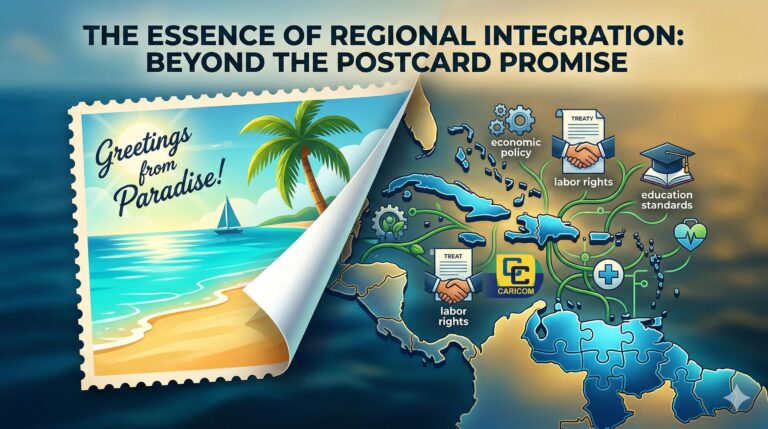
The Essence of Regional Integration: Beyond the Postcard Promise

The Caribbean has long been marketed to the world as a paradise neatly packaged in “sun, sea and sand.” 

Turquoise waters, golden beaches and rhythmic festivals form the postcard image of our region. Yet far beyond that aesthetic appeal lies something far more significant: a shared geographical space and a deeply intertwined history that should naturally foster a unified regional front.

But does it?

Regional integration has been a recurring aspiration for decades. Institutions have been formed, treaties signed and declarations made. CARICOM stands as the formal expression of our desire to act collectively. Yet, year after year, debates persist about how united we truly are- and whether our mindset as Caribbean people aligns with the lofty goals set by our leaders.

Take the issue of free movement within the region. Few topics spark as much divided opinion. On one side, there are those who see opportunity: expanded labour markets, cultural exchange, skills mobility, and strengthened economic resilience. On the other, there are fears- job displacement, strain on social services, wage competition and the unsettling question of national identity.

Both perspectives deserve examination. But what they also reveal is something deeper: as a people, many of us are still grappling with what regional integration actually requires of us.  It is easy to unite around culture. We beam with pride when our athletes dominate international tracks and fields.

We celebrate each other’s music, from soca to reggae to dancehall. We travel across islands for Carnival, food festivals and fashion events without hesitation. In those moments, regional identity feels natural and effortless.Yet integration is not sustained by entertainment alone.

True regionalism demands difficult conversations about socio-economic policy, labour rights, border control, education equivalencies, healthcare access and economic disparities between territories. It requires an honest look at how policies in one country may impact another. It demands that we confront uncomfortable truths about inequality, protectionism and fear.

Too often, when controversial statements are made about CARICOM or regional arrangements, the immediate response is emotional- either quick agreement or sharp condemnation. Accusations fly that certain comments break away from the essence of CARICOM. But perhaps what we lack is not loyalty to the idea, but the maturity to interrogate it fully.

Are we prepared to assess the shortcomings of regional mechanisms without interpreting critique as betrayal? Can we acknowledge that integration is a work in progress-one requiring reform, refinement and accountability?

Another essential dimension lies with our elected leaders. Are they true regional integrationists? Or does national self-interest consistently trump the collective front when difficult decisions arise? It is understandable that leaders prioritize their constituents. That is their mandate. Yet regionalism requires a delicate balance between sovereignty and solidarity. Without political will at the highest levels, integration becomes rhetoric rather than reality.

At the same time, integration cannot rest solely on heads of government. It must live in the consciousness of the Caribbean people. It must be reflected in how we view one another- not as competitors for limited resources, but as partners in shared advancement.

The essence of regional integration is not about dissolving borders or erasing national pride. It is about recognizing that our futures are interconnected. Climate change does not respect island lines. Economic shocks ripple across territories. Migration patterns are shaped by shared vulnerabilities.

If we are to truly examine how together we are, we must move beyond symbolic unity and confront substantive policy questions with courage and clarity. We must be willing to refine the CARICOM force so that it functions not merely as a diplomatic framework, but as a practical engine for regional advancement.

The Caribbean is more than a destination. It is a collective destiny. And integration- imperfect, debated and evolving-remains one of our most powerful tools for shaping it.

New App And Website To Put Consumer Power In The Palm Of Consumers’ Hands

0

Basseterre, Saint Kitts, February 12, 2026 (SKNIS): Consumers in Saint Kitts and Nevis will be further empowered when shopping for essential goods through the use of the new SKN Smart Shopper App and accompanying website that will be launched on Wednesday, February 18, 2026.

Director Paul Queeley and Communication Officer, Tricia Delaney of the Department of Consumer Affairs (CAD), as well as Programme Manager, Christopher Herbert of the Digital Transformation Unit, appeared on this week’s edition of InFocus to build public awareness about the new digital tools to enhance consumer rights and protection.

A price tracking feature allows consumers to monitor the cost of basic foods in the essential basket of goods. These basic goods, such as chicken, meats, fish, toilet paper, corn meals, flour, sardines, toothpaste, margarine, detergent etc. cannot be sold above a range prescribed by the government. 

“Consumers are aware of their rights. They want value for their money, so by launching [the website and apps] now, we give them access to prices in the market, transparency, persons will not be able to price gouge because all of the prices will be listed from the various suppliers or supermarkets so they will be able to see who is selling it at a higher cost … and they can alter their purchases to best suit their pocket,” Mr. Queeley stated.

Other features allow consumers to submit complaints directly to the Department of Consumer Affairs, while staff members in the field will record their findings on a tablet and submit warnings. An e-ticketing system allows real-time penalties for violators. Most importantly, a user-friendly summary of the consumer protection laws, as well as a link to the related legislation, is available directly on the app and website.

“The app presents clear, simple, consumer-related information on the go, so even though we have a website, they are distinctly equal,” said Mrs. Delaney, while encouraging everyone to visit the website or download the SKN Smart Shoppers app when they are launched on February 18, 2026.

Mr. Herbert commended the strong working relationship between the CAD Team and the staff at the Digital Transformation Unit that led to the intuitive and user-friendly look and feel of the app and website. He added that extensive measures and protocols were used to ensure that the digital tools are safe, stable, reliable and secure.

Minister Henderson Assumes Chairmanship Of The OECS Council Of Ministers For Tourism At 9th Meeting In Saint Kitts

0

Basseterre, Saint Kitts, February 11, 2026 (SKNIS): The Honourable Marsha T. Henderson, Minister of Tourism for Saint Kitts and Nevis, officially assumed the chairmanship of the Organisation of Eastern Caribbean States (OECS) Council of Ministers: Tourism during the opening ceremony of the Council’s 9th Meeting, being held in Saint Kitts from February 11–12, 2026.

In her opening address earlier today, Minister Henderson emphasised that tourism today transcends being merely a sector of economic activity, and has now become the pulse of national economies across the OECS. She underscored that tourism remains the region’s most significant export, directly influencing employment, foreign exchange earnings, infrastructure development, and community livelihoods.

“No single member state can afford to operate in isolation,” Minister Henderson stated. “Our competitiveness, our resilience, and our relevance will increasingly depend on how well we function as a region.”

Speaking to the theme of regional integration, Minister Henderson urged OECS member states to move beyond traditional, siloed approaches to hospitality and embrace a coordinated, data-driven regional tourism industry — one that is “integrated by design, resilient by strategy, and capable of withstanding the volatility of the global market.”

Minister Henderson expressed appreciation to the outgoing chair, the Honourable Adrian Thomas, Minister of Tourism for Grenada, for his steady and thoughtful leadership. She pledged to build on the momentum established under his stewardship, ensuring that “the torch passed today continues to illuminate a path toward deeper integration and a more cohesive OECS tourism product.”

The minister outlined a rigorous two-day agenda focused on key priorities requiring collective regional action, including enhancing intra-regional connectivity to ensure that the OECS functions as a truly connected and accessible space for both regional and international travelers; harmonising investment and sustainability standards to attract responsible investment that protects environmental assets, strengthens communities, and drives equitable growth; and leveraging shared data and market intelligence to anticipate global tourism trends and position the OECS as a proactive leader in the global tourism landscape.

“These are not abstract ambitions,” Minister Henderson said. “They are practical steps toward a more efficient, competitive, and resilient tourism ecosystem — one that benefits every single member state while preserving our individual identities.”

The OECS Council of Ministers: Tourism, serves as the principal body guiding the region’s collective tourism strategy, with a strong focus on sustainability, connectivity, and competitiveness.

Minister Clarke Provides Update On Land Transition Programme And Access To Residential Lots

0

Basseterre, Saint Kitts, February 12, 2026 (SKNIS): Minister of Sustainable Development, Environment, Climate Action and Constituency Empowerment, the Honourable Senator Dr. Joyelle Clarke, provided an update in Parliament on Thursday, 12 February, 2026, on the government’s ongoing Agricultural/Sustainable Development Land Transition Programme and efforts to improve access to residential and commercial lands.

Minister Clarke explained that the programme was launched to address longstanding land use conflicts where agricultural activity overlaps with lands designated for housing and commercial development.

“Last year, in this Honourable House, I provided an update on the current challenge that both ministries are facing as it relates to infringement of farmers on lands designated for residential and commercial construction, as well as infringement of housing development on lands which are dedicated to agricultural production,” said Dr. Clarke.

The affected areas include Racecourse in Newton Ground, Cabbage Tree in Cayon, and Lemon Hill in the Molineux area.

She confirmed that progress has already been made.

“So far, we have been able to successfully transition the farmers from the Racecourse area to facilitate the construction of NHC homes in Newton Ground, and we want to thank the National Housing Corporation for the construction in that constituency and for their patience and partnership with the Ministry of Sustainable Development,” Minister Clarke stated.

The Ministry is now working through a joint task force with the Ministry of Agriculture to relocate farmers in Lemon Hill and Cabbage Tree.

Minister Clarke emphasised the delicate balance required in a small island state with limited land resources.

“In St. Kitts, in our 68 square miles, very limited land resources, we must make accommodation for food, we must protect lands which allow for water, and we must provide shelter,” said the senator.

She underscored that while food security remains a national priority, the Government also has a responsibility to ensure that citizens have access to adequate housing. The minister emphasised that all actions taken must follow due process and be carried out properly, with careful attention to protecting and securing livelihoods.

Farmers, she noted, have already been formally notified in writing and presented with alternative options by the Department of Agriculture. In certain instances, compensation has been provided for crops. She further explained that farming activities on the affected lands were technically being conducted without permission and were restricted from major or permanent crop development.

The urgency surrounding the relocation effort, she indicated, is directly linked to the scale of the proposed developments. In Lemon Hill, the occupation by one farmer is currently delaying the construction of 52 residential lots and 15 commercial lots. Meanwhile, in Cabbage Tree Phase three (3), approximately 16 acres of land have been earmarked to facilitate the development of 364 residential lots.

The Minister expressed appreciation to residents, financial institutions, and legal professionals who have exercised patience while awaiting approvals. She acknowledged that, in some cases, individuals and institutions have demonstrated exceptional patience as the Ministry works through the process of relocating the farmers.

She also announced the commencement of a second phase of public communication on the matter. This phase will include continued engagement through radio programmes and direct dialogue with affected stakeholders. She indicated that a designated task force will remain actively engaged with the farmers to ensure that the process moves forward, allowing young people and families eager to begin construction in these areas to do so.

Government Secures Full State Ownership Of Key Frigate Bay Assets In Landmark Agreement

0

Basseterre, Saint Kitts, February 12, 2026 (SKNIS): The Government of Saint Kitts and Nevis has successfully concluded a landmark agreement securing full State ownership of major lands and assets in the Frigate Bay area, Prime Minister and Minister of Finance, the Honourable Dr. Terrance Drew announced during the first Sitting of Parliament for 2026, on Thursday, February 12, 2026.

The agreement, finalised following extensive negotiations, transfers to the State full ownership of the lands on which the Frigate Bay Golf Course is constructed, full ownership of all shares in Frigate Bay Golf Limited, and an additional 77.23 acres of prime land in the Frigate Bay area.

The newly secured lands include 16.10 acres comprising the northern holes of the Golf Course adjacent to the Koi Resort, 13.16 acres of prime vacant land west of the Golf Course overlooking Half Moon Bay, and 47.97 acres of prime land located between Frigate Bay Road, Earles Mornes, Bird Rock and the heights of Frigate Bay.

Prime Minister Drew noted that the acquisition represents a continuation of the longstanding vision of the St. Kitts-Nevis Labour Party Administration to empower citizens through land ownership and sustainable economic development. He highlighted the historical significance of Frigate Bay, referencing earlier efforts by national leaders to secure and develop the area for the benefit of the people of the Federation.

Under the new arrangement, the Ministry of Tourism and the Frigate Bay Development Corporation will oversee the day-to-day operations and strategic development of the golf course, ensuring alignment with the Federation’s long-term sustainable tourism objectives.

The government also announced plans for strategic development of the newly acquired lands. The 13.16-acre parcel is expected to support infrastructure development for luxury villas and potentially a high-end hotel, capitalizing on its scenic views of the golf course and Half Moon Bay.

Meanwhile, the 47.97-acre parcel will be subdivided into residential and commercial lots, with a special focus on providing opportunities for young citizens to access land ownership and build generational wealth. The Government has also indicated its intention to work with local financial institutions to ensure financing options are accessible to prospective landowners.

Prime Minister Drew emphasised that the agreement was achieved at no direct financial cost to the Government. Instead, compensation to the Royal St. Kitts Group of Companies was structured through the issuance of 725 Public Benefit Units under the Citizenship by Investment Programme.

Additionally, the Government confirmed that a US$10 million loan extended in 2023 to support operations at the St. Kitts Marriott Resort is scheduled to be fully repaid by the second quarter of 2026. To date, approximately US$3.1 million has already been repaid. The loan arrangement is also expected to generate at least US$2.5 million in application fee revenue to the State through the Public Benefit Unit mechanism.

Prime Minister Drew described the agreement as a major step toward strengthening national ownership of key tourism assets, expanding economic opportunities, and advancing the Federation’s vision of becoming a Sustainable Island State.

The Prime Minister reaffirmed the Government’s commitment to long-term national development, noting that the acquisition is designed to benefit current and future generations of citizens and residents.

The agreement marks a significant milestone in the continued development of Frigate Bay as a premier tourism and residential destination within the Federation.

CDU Hosts Developmental Session For Kindergarten Teachers

0

Basseterre, St. Kitts, Thursday, February 12, 2026: The Curriculum Development Unit (CDU) hosted a developmental session for kindergarten teachers, focusing on the theme ‘Plants and Animals’, as outlined in the New Enhanced Curriculum that is being piloted. 

Today’s session brought together teachers to review classroom experiences, evaluate instructional approaches, and plan improvements for curriculum delivery.

Mrs. Amanda Serrant-Edmeade, Director of the Curriculum Development Unit, explained that the team gathered to evaluate early results and determine strategies for better classroom implementation.

“We began the pilot in October 2025. The curriculum is very new and very different, and we are having challenges throughout the region. At the end of January, we met as a team to discuss the feedback that had been observed so far and to look at the areas of improvement in instruction using the curriculum.”

The session brought together teachers from various schools to strengthen their understanding of the themes and explore effective strategies for classroom implementation. Teachers were also encouraged to integrate cross-curricular connections, linking science concepts with literacy, numeracy, and creative expression. Strategies for observation, questioning, and assessment were discussed to ensure that children not only gain knowledge but also develop curiosity and critical thinking skills.

The CDU reaffirmed its commitment to supporting teachers through continuous professional development initiatives. By equipping educators with practical tools and updated curriculum guidance, the Unit aims to ensure that kindergarten students receive a strong foundation in understanding the world around them.

Saint Kitts and Nevis Records Zero Maternal Deaths in 2026 Thus Far

0

Basseterre, St. Kitts, February 12th, 2026 (PMO) – Prime Minister the Honourable Dr. Terrance Drew revealed today, February 12th, that Saint Kitts and Nevis has recorded zero maternal deaths so far in 2026, a milestone he described as one of the clearest indicators of a strong and responsive healthcare system.

“What does that mean?” the Prime Minister asked during his address, adding that, “Not one pregnant woman who carried life within her has died.”

Dr. Drew, who also holds responsibility for Ministry of Health, noted that maternal mortality is globally regarded as a key measure of the strength of a nation’s health system.

The Prime Minister credited doctors, nurses, midwives, and allied health professionals for their dedication and highlighted expanded investments in maternal care, prevention initiatives, and the strengthening of public health systems.

He also used the opportunity to encourage citizens to adopt healthier lifestyles.

“If you have a healthcare system that can ensure that pregnant women, who are among the most vulnerable,  receive safe care, then that system is strong,” he said.

The Prime Minister emphasized that declining overall mortality trends, expanded pediatric support through the Children’s Medical Fund, and new healthcare infrastructure investments are all part of a deliberate strategy.

“This is not accidental progress,” he stated. “It is the result of deliberate policy, strategic investment, and the highest dedication of our healthcare professionals.”