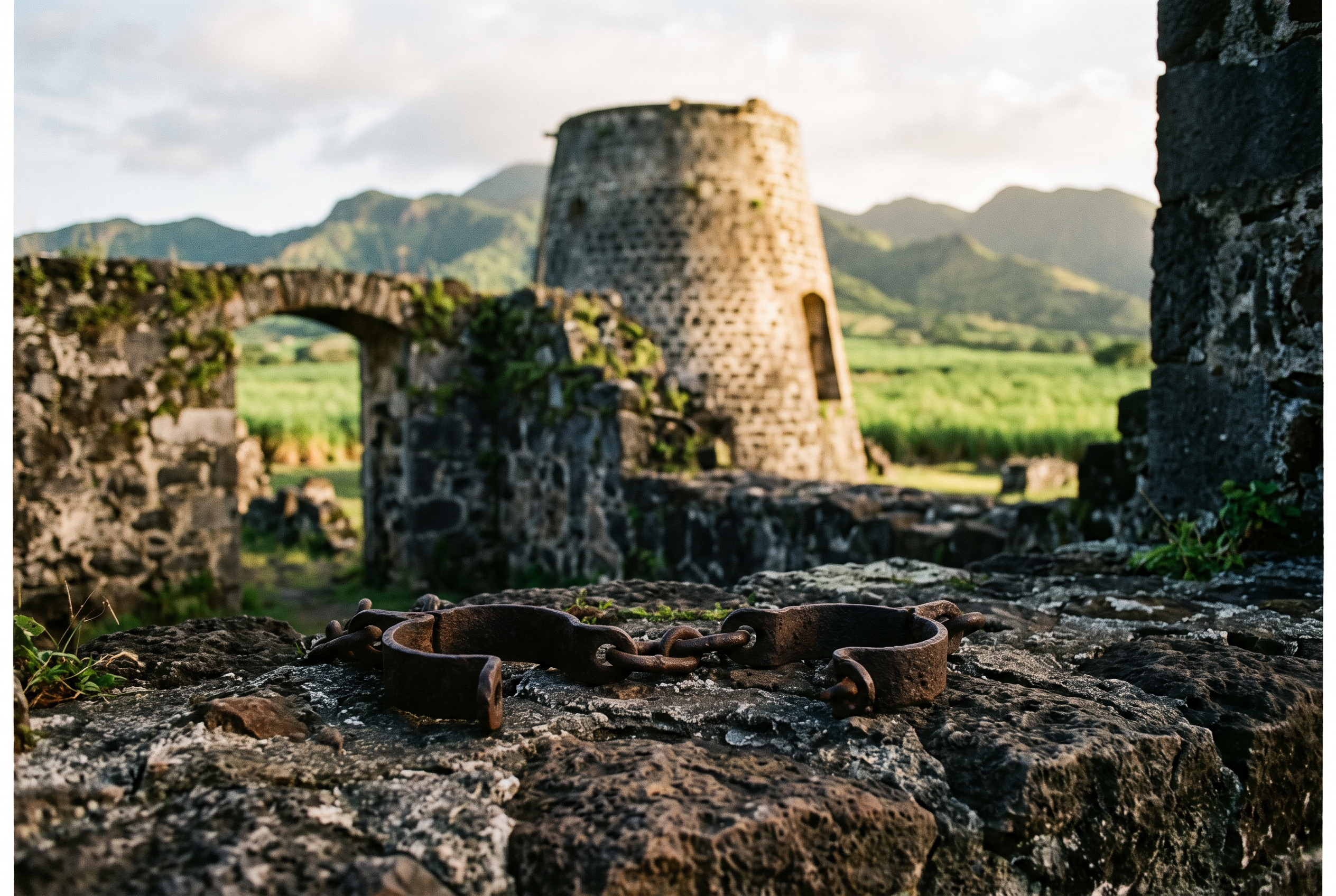
For many, the Emancipation holiday will be welcomed as an opportunity to rest, attend events or simply enjoy the long weekend. Yet, for a people whose ancestors endured one of history’s greatest injustices, Emancipation must be far more than a date on the calendar. It is our story. It is our inheritance. And it is a reminder that freedom came at an immeasurable cost.
As descendants of Africans who survived the brutality of slavery, we owe it to ourselves — and to future generations — to use this occasion for reflection as much as celebration. Freedom was not simply bestowed upon our foreparents. It was won through resilience, sacrifice and an unbreakable determination to overcome oppression. Their courage continues to shape who we are today.
This year’s observance carries added significance. In March 2026, the United Nations General Assembly adopted a landmark resolution formally declaring the transatlantic slave trade and the enslavement of Africans as the “gravest crime against humanity.” The resolution, introduced by Ghana with the strong support of the African Union and CARICOM, was approved by an overwhelming majority of 123 member states, including the Federation of St. Kitts and Nevis.
For many across the African diaspora, the resolution was more than a diplomatic achievement. It was a long-overdue acknowledgement of the horrors inflicted upon millions of Africans whose lives, identities and humanity were stolen through one of history’s darkest chapters. While no declaration can erase that painful past, it affirms a truth that generations have carried in their hearts for centuries.
History, however, only empowers those who are willing to learn it.
Many people know that slavery ended, but far fewer understand the path that led to true freedom. The Slavery Abolition Act of 1833 abolished slavery throughout most of the British Empire, but it introduced the Apprenticeship System, requiring many formerly enslaved Africans to continue working under another form of forced labour. It was not until 1 August 1838 that full emancipation finally ended that unjust arrangement, allowing thousands throughout the British Caribbean to experience genuine freedom.
These are not merely historical dates to memorise. They are milestones that explain who we are and why Emancipation deserves to remain one of our most meaningful national observances.
Emancipation also reminds us that the conversation about reparatory justice remains relevant. Across the Caribbean, calls for reparations continue to grow — not simply for financial compensation, but for historical acknowledgement, justice, education and meaningful development. The United Nations resolution has undoubtedly strengthened those discussions by giving international recognition to the enormity of the crime committed against African people.
Yet, while we honour our painful past, we must never lose sight of something equally powerful — our resilience.
Against every attempt to strip them of dignity, our ancestors preserved their culture, their faith, their identity and their hope. Their spirit lives on in every Caribbean success story, every graduate, every entrepreneur, every artist, every teacher, every skilled worker and every young person striving to build a better future. Their triumph reminds us that our greatest inheritance is not our suffering but our strength.
This Emancipation holiday, let us do more than attend an event or enjoy a day off. Let us read. Let us ask questions. Let us teach our children about those whose names may never appear in history books but whose sacrifices made our freedoms possible.
As St. Kitts reflects on this solemn and significant occasion, our sister isle of Nevis celebrates Culturama, where J’ouvert, Freedom Day activities and vibrant cultural expressions serve as joyful reminders that a people once oppressed refused to allow their spirit to be broken. Those celebrations are not simply entertainment; they are living expressions of identity, endurance and cultural pride.
As we commemorate Emancipation on Monday and Tuesday, may we embrace both remembrance and celebration. Let us honour the past, celebrate our resilience and commit ourselves to a future where knowledge, unity, talent and purpose continue to define us.
Freedom opened the door. It is now our responsibility to ensure that each generation walks confidently through it.