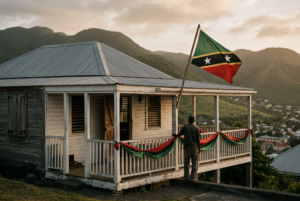
As we bring the National Colours Day observances for Independence 43 to a close this week by wearing black today (25th September 2026), it is quite fitting that we pause to reflect on what this colour represents-not simply on our national flag but who we are as a people.
St. Kitts and Nevis is predominantly a Black country, and our African ancestry is an inseparable part of our story. Black represents our African heritage, and that heritage is rich, complex and deeply rooted. It is part and parcel of who we are.
Too often, however, the story of Black people is framed beginning with slavery on the plantation fields but slavery is not where our story began.
Before our ancestors were brought to these shores, they came from a continent with its own peoples, cultures, traditions, communities and histories. They came with identities and knowledge that existed long before enslavement attempted to strip them away. Our African story therefore cannot begin with chains. It must also acknowledge the people who existed before them and the resilience of those who survived them.
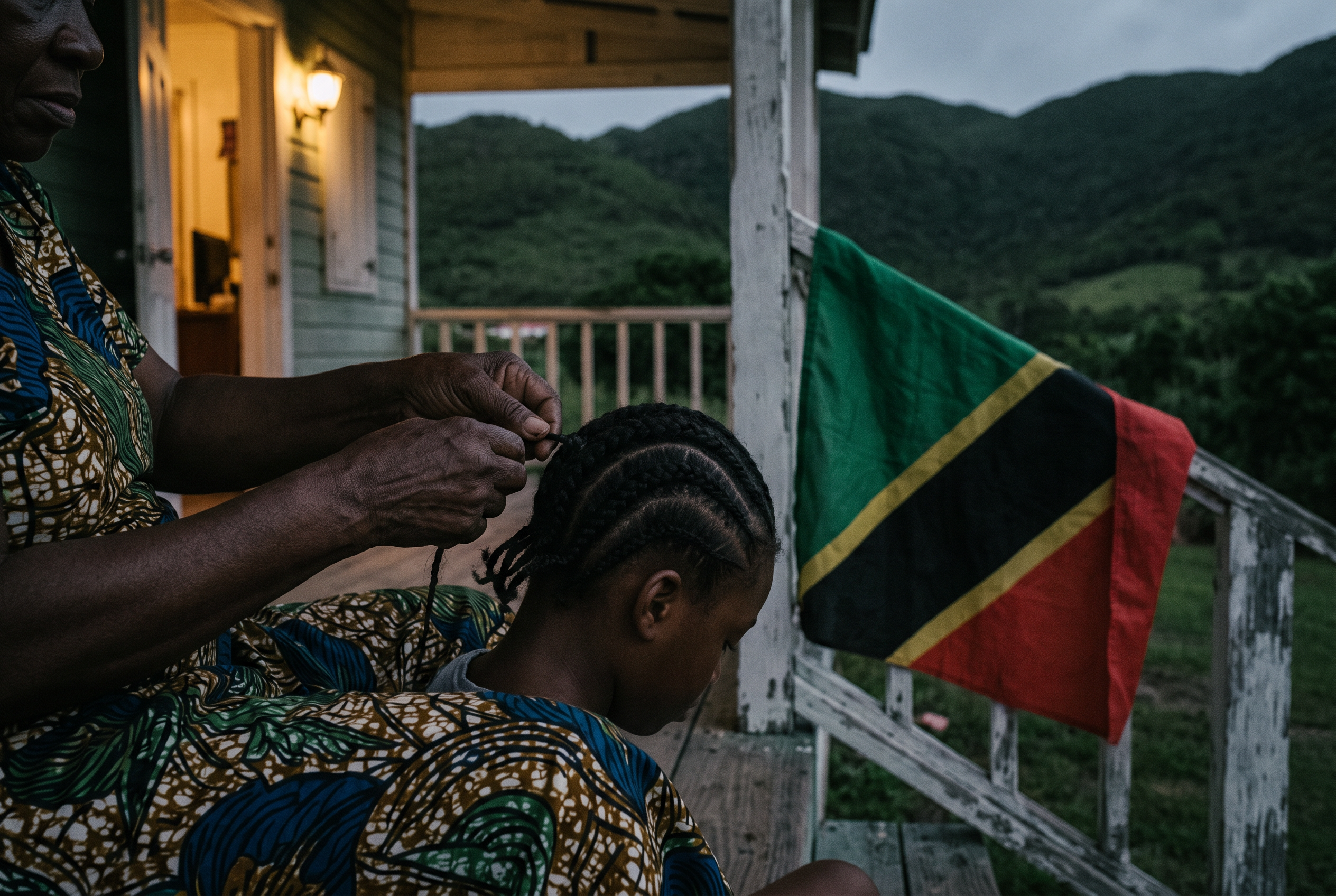
That heritage lives among us today-in the way we dress, the food we prepare, the music we create and enjoy, and the hairstyles we wear. It can be heard in our rhythms, felt in our traditions and expressed in the ways we continue to preserve and develop our identity.
Among new elements featured in this year’s parade- held on Saturday 19th September- were dance artistic performances that brought African heritage to the fore, with the dancers using movement and creative expressions while rocking their artistic attire likewise.
This week’s passing of 80-year-old Larry Armony brings this conversation into even sharper focus. A historian, educator and cultural practitioner, Armony devoted much of his life to history, education and the cultural arts, including work highlighting African and Caribbean influences in our cultural expression.
Even his appearance could speak to that cultural identity. Armony proudly wore his Afro throughout the years, and even at age 80, it remained remarkably intact. Some of us would have seen him occasionally sporting cornrows as well. For a Black man whose life was deeply connected to history, culture and the African roots of Caribbean identity, his distinctive hairstyle was a visible part of how he carried himself and undoubtedly a reflection of his pride with his Black identity.
As we mourn his passing, perhaps one fitting tribute to his life and passion would be for more of us to take the time to learn about our cultural heritage-to understand where our traditions come from, appreciate the influences that have shaped us and, importantly, embrace them.
For many, this African identity is worn loud and proud. For others, there may still be discomfort or hesitation. Yet our ancestry does not change. Our bloodline is African.
As we wear black, let us see beyond the shade itself. Let us see the strength of generations and remember that the people from whom we descend survived an experience designed to break them, rebuilt and continued to move forward.
Our melanin, our features and our African heritage are part of the story of who we have become. Black can remind us of resistance, determination and the drive to chart our own course toward liberation.
That connection to Africa should also challenge us to examine how we view the continent and its people today. If we proudly acknowledge Africa as the source of our ancestry, can we at the same time allow negative stereotypes about Africa and Africans to shape how we see a place that is part of our own story?
Sometimes, views change when we move beyond what we have been told and experience something for ourselves., and overall just embracing our roots in general.
That is the significance of a special feature in this week’s Labour Spokesman, bringing together the reflections of nationals of St. Kitts and Nevis who travelled to Nigeria earlier this year for the Afri-Caribbean Summit. For many, it was their first time setting foot on the African continent. What many encountered gave them a greater gratitude for the people, culture, environment and possibilities they experienced firsthand, while offering fresh perspectives on a continent that is an important part of our ancestral heritage.
Their reflections offer more than travel memories. They invite us to consider the distance that can exist between an inherited perception and a lived experience, and to reconnect with Africa not merely as the place from which our ancestors came but as a continent of people, cultures, histories and contemporary realities.
As we observe Independence 43 under the theme ‘One People, One Vision, Endless Possibility’, embracing our African heritage is also part of understanding who that one people is.
We cannot fully appreciate where we are going without understanding where we came from.
So, as we wear black, let us honour the ancestry that lives within us, celebrate the culture that continues to shape us and recognise the resilience that has carried our people forward.