As the United Nations Climate Change Conference (COP31) continues in Antalya, Türkiye (9 to 20 November 2026), there is one important issue that deserves our attention, especially as people living in a small island nation like St. Kitts and Nevis. That issue is climate financing.
Now, what exactly does this mean for the ordinary man and woman?
Simply put, climate financing is about making money available to help countries deal with climate change, protect their environment and prepare for the challenges that come with changing weather conditions.
And when we think about it, this is something that affects all of us, whether we realise it or not.
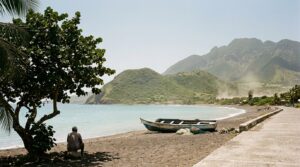
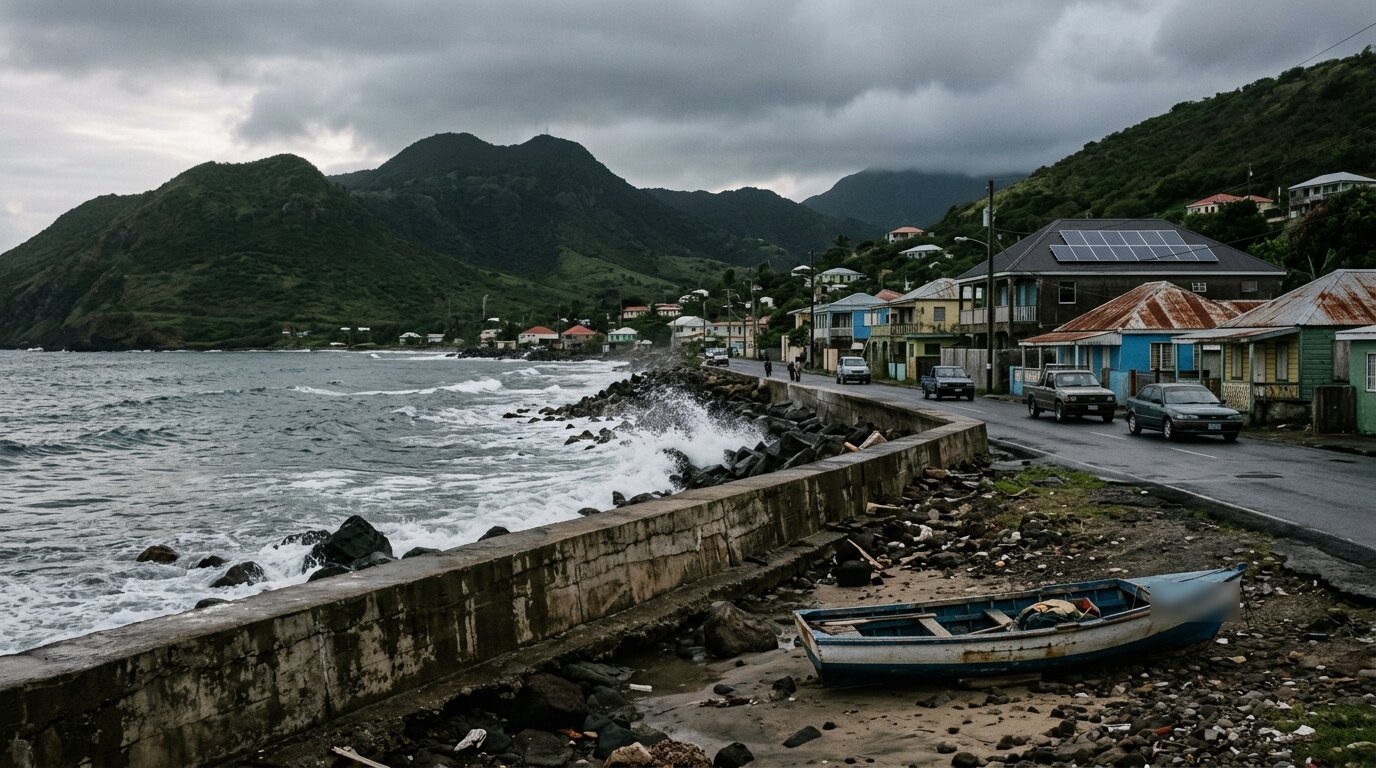
We have been feeling the intense heat. We know what it is like to prepare for hurricanes and worry about the damage they could cause. We also know that our beaches, coastlines, homes, businesses and livelihoods are all connected to the environment around us.
For Small Island Developing States (SIDS) like St. Kitts and Nevis, these concerns are very real.
Here is something we should think seriously about: How can small countries properly prepare for these challenges if they cannot easily access the money needed to do so?
It is one thing for countries to attend international meetings, discuss climate change and make promises about protecting the environment. It is another thing to find the money to put those promises into action.
After all, good intentions alone cannot build stronger sea defences, improve drainage systems, introduce cleaner energy or protect communities from environmental damage.
All these things require money, planning and action.
This is why access to climate financing is so important. Small island nations should not have to face unnecessary difficulties when trying to secure financial assistance to protect their people and their future.
Of course, we must also do our part here at home.
We cannot speak about protecting the environment while continuing to litter our communities, waste resources or ignore practices that damage our surroundings. Every citizen has a responsibility, and every effort counts.
At the same time, we must understand that some environmental challenges are simply too costly for small countries to tackle without outside financial support.
And let us not forget that protecting the environment is also about protecting jobs and livelihoods.
Think about the fisherman who depends on the sea, the farmer who depends on favourable weather, the hotel worker whose employment is connected to tourism, or the family whose home could be affected by severe weather.
Climate change is not some distant issue that only scientists and politicians should be discussing. It is about everyday life.
As COP31 continues, we hope that the discussions about climate financing will lead to more than speeches, promises and agreements on paper.
We also hope that when funding becomes available, it will be properly managed and used for projects that make a real difference in people’s lives.
The question is simple: Will small island nations receive the help they need before the challenges become even greater?
Our country may be small but our need to protect our environment and secure our future is certainly not.
Climate financing is not just about money. It is about protecting our homes, our jobs, our communities and the future of our children and generations to come overall.
Surely, that is something worth investing in.