By Dr Natasha Yates, MBBS, FRACGP, Bond University — The Conversation, 6 April 2022
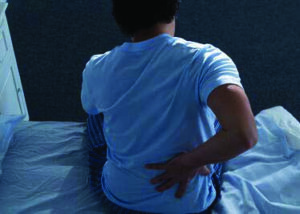
People are often surprised by how fatigued they are during a COVID infection. Fatigue is more than being worn out or sleepy — it is an excessive tiredness that persists despite resting or good sleep. It is likely a result of our body’s strong immune response to the virus. In some people, the fatigue drags on even when the infection is gone. This can be debilitating and frustrating: simply resting more makes no difference. Estimates vary, but one review of 21 studies found 13-33% of people were fatigued 16-20 weeks after their COVID symptoms started.
Fatigue after COVID is related to but distinct from long COVID, which involves a range of other symptoms such as “brain fog,” headaches and muscle aches. There are also striking similarities between post-COVID fatigue and chronic fatigue syndrome (myalgic encephalomyelitis), though researchers are still untangling any link between the three conditions. Vaccines help reduce the risk of post-COVID fatigue by lowering the chance of catching COVID in the first place, and vaccinated people who do catch COVID are less likely to report fatigue and less likely to develop long COVID.
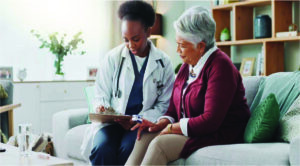
Five tips on what helps manage post-COVID fatigue: (1) Pace yourself — adjust the return to normal activities to your energy levels and focus on what you can do rather than what you can’t; (2) Return to exercise gradually — a gradual return to exercise may help your recovery, with support from occupational therapists, physiotherapists or exercise physiologists; (3) Prioritise sleep — having a strict bedtime while also resting when tired during the day is important; (4) Eat a range of nutritious foods — view food as a way of fuelling your body with both energy and the micronutrients it needs to heal, and avoid spending money on unproven remedies; (5) Monitor your fatigue — keep a diary to monitor your fatigue and look for a gradual improvement overall. If you are going backwards, get input from a health professional such as your GP. This article has been republished under Creative Commons licence.