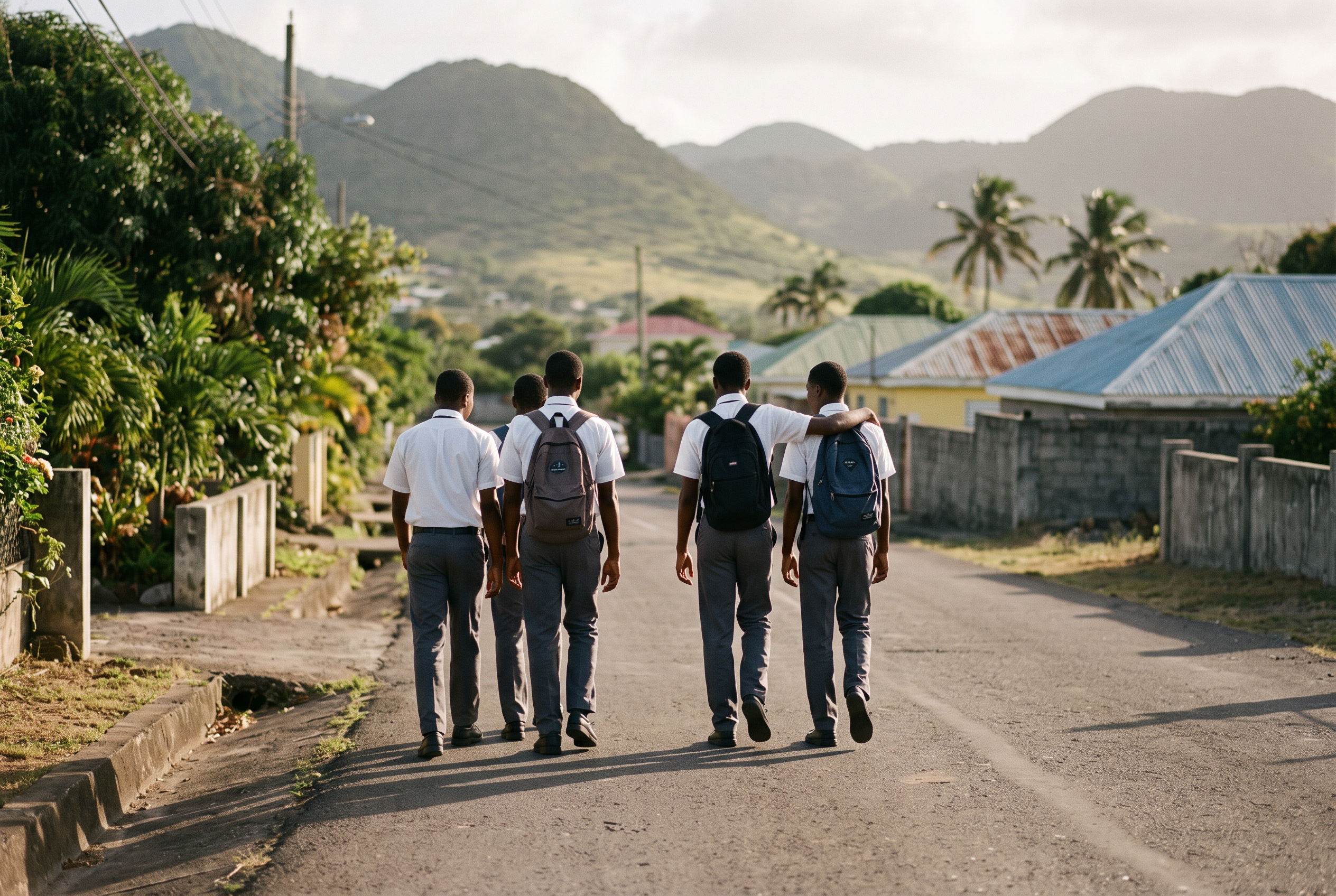
At this of year, once again, the spotlight is on our high schoolers and their CSEC results. Across St. Kitts and Nevis, we have seen remarkable examples of young people pushing themselves, excelling in their chosen subject areas and proving that ambition, determination and hard work can produce rewarding results. These accomplishments deserve our applause.
However, as the congratulations continue, so too does the annual debate: Is it really necessary for students to pursue 10 and more subjects? Are we preparing them for the world of work, or simply measuring academic achievement by the number of subjects they can pass?
Perhaps we are asking the wrong question.
Every young person does not have the same destination. Some are academically driven and ambitious, and they may deliberately choose a demanding course of study because it aligns with the future they envision for themselves. We should not discourage that ambition. At the same time, we must be careful not to suggest that academic achievement is the only measure of intelligence, potential or success.
The young person who excels with a textbook is no more valuable than the one whose brilliance is expressed through technical skill, creativity, craftsmanship, entrepreneurship, technology, sport or another talent. There are many ways to build a meaningful life and contribute to society.
That is why our response to CSEC results must go beyond celebrating the highest performers.
For some students, examination results may bring disappointment. Behind a result that does not meet expectations could be examination anxiety, personal or family difficulties, financial challenges, emotional struggles or circumstances that affected a student's ability to concentrate and perform. We cannot always see those battles from a results sheet.
And this is where adults must exercise greater care.
The jokes, teasing and comparisons that sometimes follow poor results may seem harmless to those making them but they can cut deeply into a young person's confidence. Worse still is the disappointment expressed by parents, relatives, teachers or friends in ways that leave a child believing that one examination has determined their worth.
It has not.
A failed subject is not a failed life. A disappointing result is not the end of the road. Our responsibility should be to help that young person identify their strengths, understand where they need improvement and find a pathway that gives them the opportunity to flourish.
This message resonates strongly with the recently observed International Youth Day on August 12, commemorated this year under the theme “Different Contexts, Common Aspirations.” The United Nations notes that young people may live in vastly different circumstances, yet share aspirations for dignity, opportunity, quality education, meaningful participation, decent work and a sustainable future.
As a Small Island Developing State, St. Kitts and Nevis is part of a Caribbean community that understands resilience. Our young people are growing up in a world shaped by economic uncertainty, technological change, climate challenges and evolving opportunities. The United Nations has specifically highlighted the resilience, leadership and innovation of young people in SIDS.
So let us be their biggest cheerleaders-not only when the grades are exceptional but when the journey becomes difficult.
Let households provide encouragement. Let schools recognise different forms of brilliance. Let society create opportunities for both academic and technical development, and let us teach our young people that success is not a single road.
Today we celebrate those who excelled but let us also reach for those who are hurting, disappointed or unsure of what comes next.
Their results may be different. Their circumstances may be different. But their aspirations, their potential and their right to be encouraged remain the same.
Let us cheer them on-not merely for what they have achieved but for what they can still become.