Choose a plan from below, subscribe, and get access to our member benefits!
Monthly plan
Yearly plan
Member Benefits Include
Collective Representation
Legal Representation
Grievance Resolution
Professional Development
Health and Safety Advocacy
Social and Networking Events
Governmental Advocacy
Job Security and Seniority Advocacy
Information and Resources
Open Door Policy
Workers Representation on a National Scale
Collective Bargaining Representation
The union negotiates collective bargaining agreements on behalf of its members to ensure fair wages, benefits, and working conditions. Shop stewards act as liaisons between the workers and the union leadership.
Legal Representation
Members have access to legal assistance for workplace-related issues, such as unfair dismissal, discrimination, and safety violations.
Grievance Resolution
The SKNT&LU supports members in resolving workplace grievances, advocating for fair treatment and due process.
Professional Development
The union provides opportunities for members to enhance their skills and career prospects through various educational programs.
Health and Safety Advocacy
A key focus is on promoting safer work environments and compliance with health and safety standards.
Social and Networking Events
Members can participate in events that foster community and provide networking opportunities.
Governmental Advocacy
The union lobbies for policies and legislation that protect and advance workers' rights and interests.
Job Security and Seniority Advocacy
Efforts are made to ensure fair practices regarding layoffs, promotions, and other job changes, often prioritizing seniority and performance.
Information and Resources
The union keeps members informed about labor rights, industry developments, and union activities through various communication channels.
Open Door Policy
Members have direct access to union representatives for guidance and support, with non-members also encouraged to engage with the union.
Workers Representation on a National Scale
The SKNT&LU represents workers at the national level on various committees, influencing policies and regulations affecting labor and employment.
BASSETERRE, St.Kitts (Thursday 23rd April 2020)– A second individuals in St.Kitts-Nevis has reportedly recovered from the coronavirus (COVID-19), leaving 13 others in isolation for now.
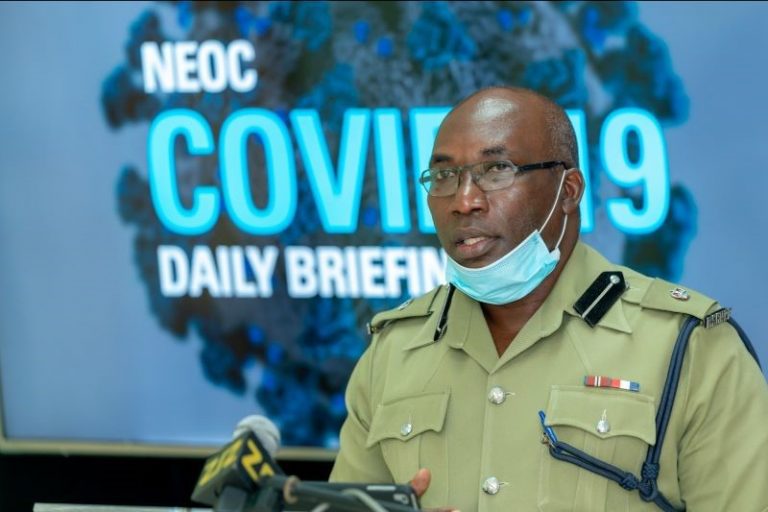
At the National Emergency Operations Center (NEOC) COVID-19 Daily Briefing held on Thursday 23rd April 2020, Public Relations Officer of NEOC Dr. Marissa Carty gave the follow- up update about the additional recovery case on the heels of the first announcement two days before on Tuesday 21st April.
Dr. Carty also stated that 260 samples were tested with the 15 cases positive, 233 confirmed negative and 12 results pending.
Additionally, 1 person quarantined at a government facility with 106 quarantined at home as the 13 positive cases in isolation while 633 persons have been released from quarantine.
BASSETERRE, St.Kitts (Friday 24th April 2020)– With the changeover of the street lights to the eco-friendly Light Emitting Diode (LED) ones in the Streetlight and Floodlight Retrofit Project- being handled by the St.Kitts Electricity Company Ltd. (SKELEC)- the old lamps are expected to be thrown away via an environmentally safe process.
These eco-friendly streets lights are currently being installed in the Federation of St.Kitts and Nevis in a 15.6 million project rolled out through a loan provided by the Caribbean Development Bank (CDB).
Notably, the SKELEC is continuing its switching ways it had in place for over two years to before this new two-phase scheme that is expected to see some 10,760 lamps altogether being installed on both islands.
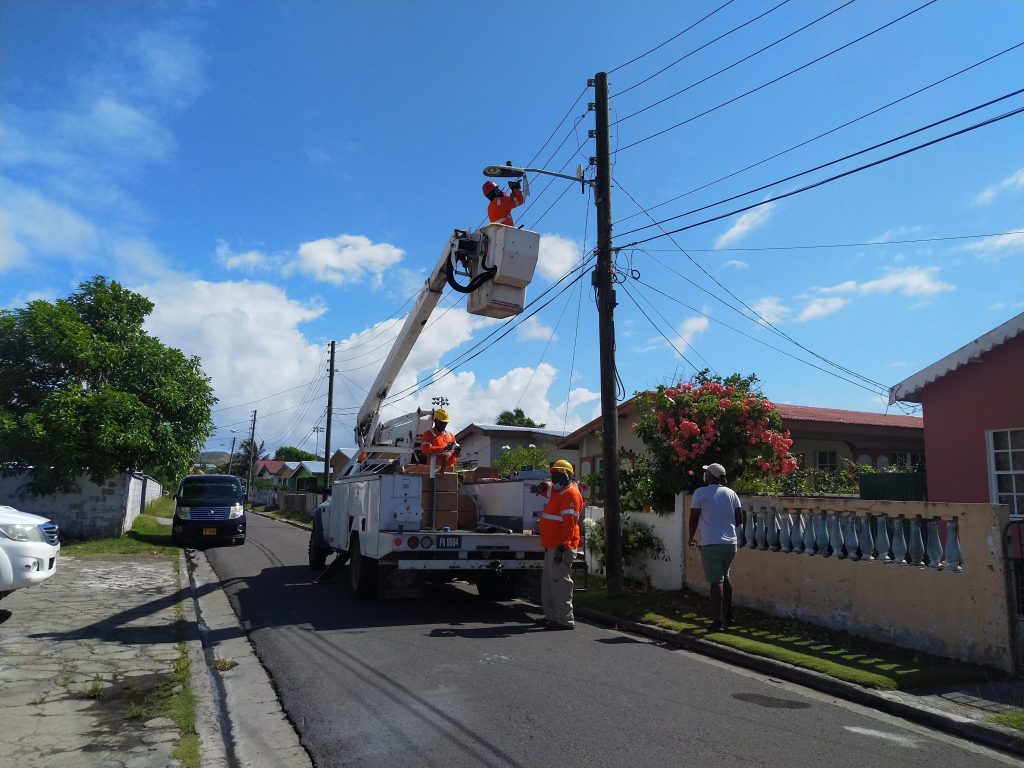
Men at work! (Spokesman Snap)
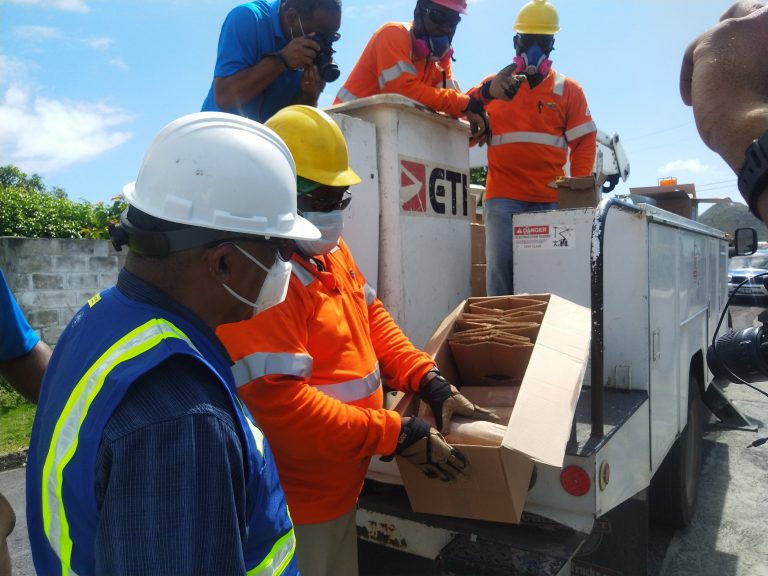
On Thursday 23rd April 2020, members of the media attended a changeover of streetlight event in the Newton Community within the vicinity of the dental clinic and health center.
These lights which are being rolled out in a one-year phased project to save on future lighting costs and make the Federation more energy-efficient.
Renewable Energy Special Projects and Planning Engineer Rondel Phillip of SKELEC explained the process.
“Basically what we’ll be doing in the changeover of the bulbs. We have the high pressure sodium bulbs, mercury bulbs and so what we’ll be doing is the arc tube is what we’re going to be shipping back overseas for disposal. Over the years… we’ve been eco- friendly.”
He continued: “The vapours within these tubes are harmful once inhaled once it’s exposed into the atmosphere so that’s the main reason for changing them out. So what we do you’ve seen, we take down the old lights and separate the bulb from the fitting. the bulb is then packed , placed in drums and they’ll be in a container waiting to be shipped overseas to a facility that’s going to crush the bulb , take out the tube and supposed of the tube properly and collect the gases and dispose of the gases in an environmentally safe manner.”
SKELEC General Manager Clement Jomo Williams said the company has taken a proactive approach to this project.
“Even before we started rolling out the CBD project, we have been changing over LEDs for over two years now so when the project started we had some almost 6,000 lights allocated and since, we have changed approximately a thousand of these which would mean that thousand would end up being our stock for replacement.”
Minister of Public Infrastructure, Post, Urban Development, and Transport Ian ‘Patches’ Liburd spoke about the safety and energy saving benefits of the news lights.
He said he has received feedback from residents on St.Kitts “who are clamoring for street lighting in their neck of the wood” whilst noting “I know it would enhance the safety and security of our different neighbourhoods here in St.Kitts and Nevis.
Minister Liburd continued: “It is important to note as well-apart from the environmental benefits is the fact that from a fiscal standpoint-in the long term, the government would be at least reducing its cost for lighting our streets …we cannot lose sight of the fact that to provide street lighting, it costs the government millions of dollars each year and we’re going to be reducing that cost though this project
He also commended SKELEC for assisting with the government’s policy and decision in particular having offered the three-month moratorium to customers.
“We know that it has impacted negatively on its cash flow but I believe that in a time like this, a company like SKELEC ought to show compassion and we’re happy that they have come onboard.”
BASSETERRE, St.Kitts (Friday 24th April 2020) – Regarding the issue of the novel coronavirus (COVID-19) pandemic, the Republic of China (Taiwan) has made its independent mark on the global scale in tackling the disease early on.
Taiwan, however, is not a member of the World Health Organization (WHO) which continues to be a widely debated topic.
“The right to health is a fundamental part of our human rights. If it is indeed WHO’s mission to ensure the highest attainable standard of health for every human being, then WHO needs Taiwan just as Taiwan needs WHO. “
The above comments are of resident Taiwanese ambassador Tom Lee who was recently contacted by this media house in an effort for him to talk about his country’s success and challenges on the subject including assistance to St.Kitts-Nevis.
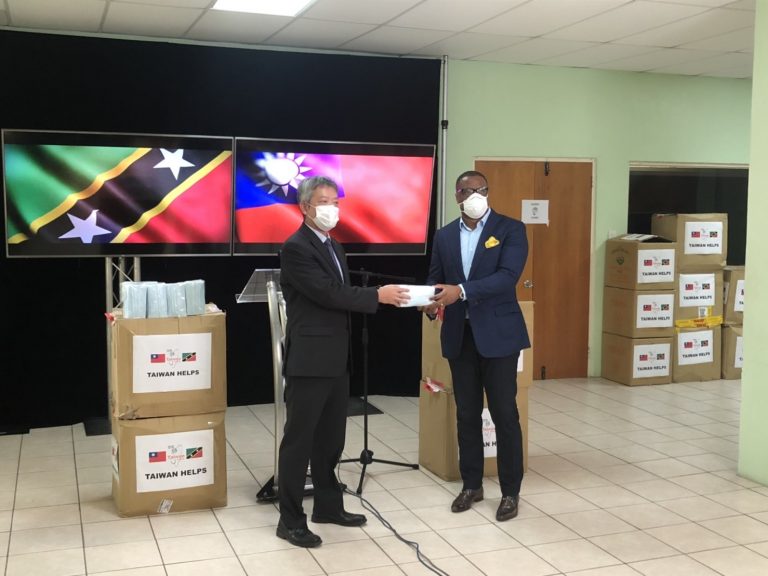
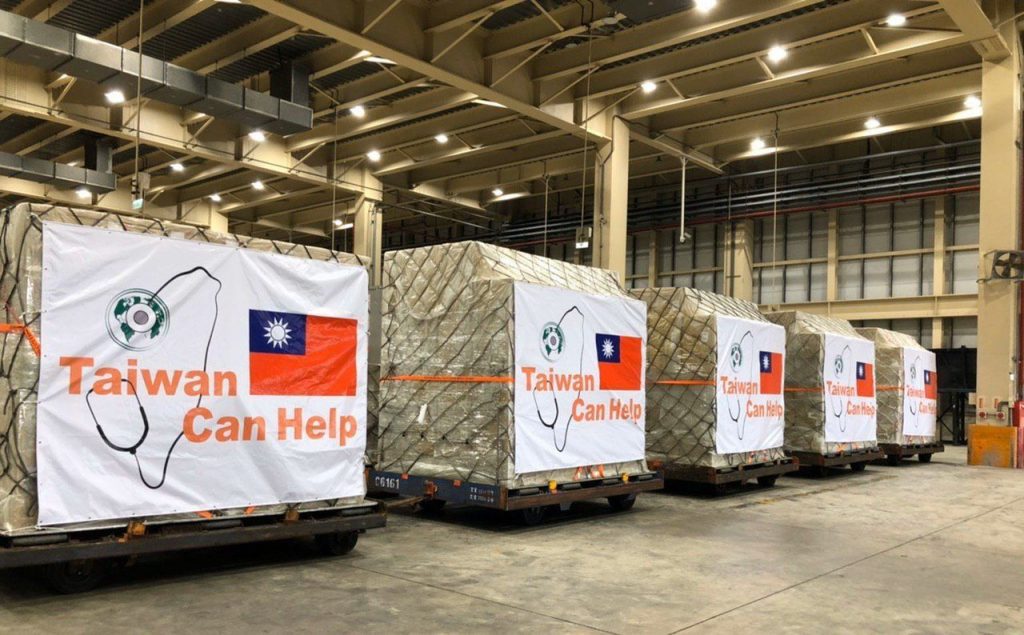
Boxes of the donated masks
At the time out the press outreach, he shared that the embassy has been following the rules regarding the State of Emergency set by the St.Kitts-Nevis government.
See the full interview below:
REPORTER: Tell me about Taiwan’s response to the COVID-19 pandemic. I am aware that the Republic of China (Taiwan) has been a model in this regard even before the disease reached the category of being a global issue.
AMBASSADOR LEE: Taiwan’s success in combating COVID-19 is a combination of efforts by medical professionals, government, private sector and society at large. On the very last day of 2019, authorities in Taiwan began assessing passengers arriving on direct flights from Wuhan, checking for symptoms of fever and pneumonia. Soon after, on the 20th of January, our Government activated the Central Epidemic Command Center (CECC) to directly coordinate efforts by different ministries and agencies. CECC has overseen crucial measures including border control, fighting misinformation, and providing financial relief for businesses.
Moreover, Taiwan has been widely praised in its approach to utilize technology, big data and approved science to contain COVID-19. For example, Taiwan has established an electronic system for entry quarantine, which allows passengers with a local mobile phone number to fill in health information via mobile phone. A health declaration pass will then be sent to them via a text message. This is connected to the community care support management system, which allows government agencies to provide care services and medical assistance. Individuals’ travel history is now stored on the National Health Insurance (NHI) card to alert physicians to possible cases and prevent community transmission. For those undergoing home quarantine or isolation, the government is working with telecom operators to allow GPS tracking of their locations. Quarantine offenders are subject to fines or mandatory placement according to relevant laws and regulations, so as to prevent transmission.
REPORTER: To date, what is the situation on the ground in Taiwan including ongoing measures?
AMBASSADOR LEE: Latest statistics from the CECC reveal 422 confirmed cases of COVID-19 in Taiwan as of April 20, with six deaths. Two hundred and three (203) patients have been released from isolation. Taiwan’s Central Epidemic Command Center announced new disease prevention measures April 18, the latest in a series of moves aimed at safeguarding the country amid the ongoing coronavirus pandemic. The new rules require inbound travelers who have visited Southeast Asia in the last 14 days to fill out health declaration and quarantine notice forms before boarding flights to Taiwan, the CECC said, adding that the measures take effect April 21 at midnight local time.
REPORTER: Now, can you tell me about Taiwan’s diplomatic helping hand extended during the pandemic to its allied Caribbean countries (and further) and in what areas?
AMBASSADOR LEE: In addition to donating essential medical supplies and helping procure medical devices, Taiwan has been doing its best to share experiences and know-how on fighting against COVID-19 with our allies in the Caribbean, Latin America and also other like-minded partners.
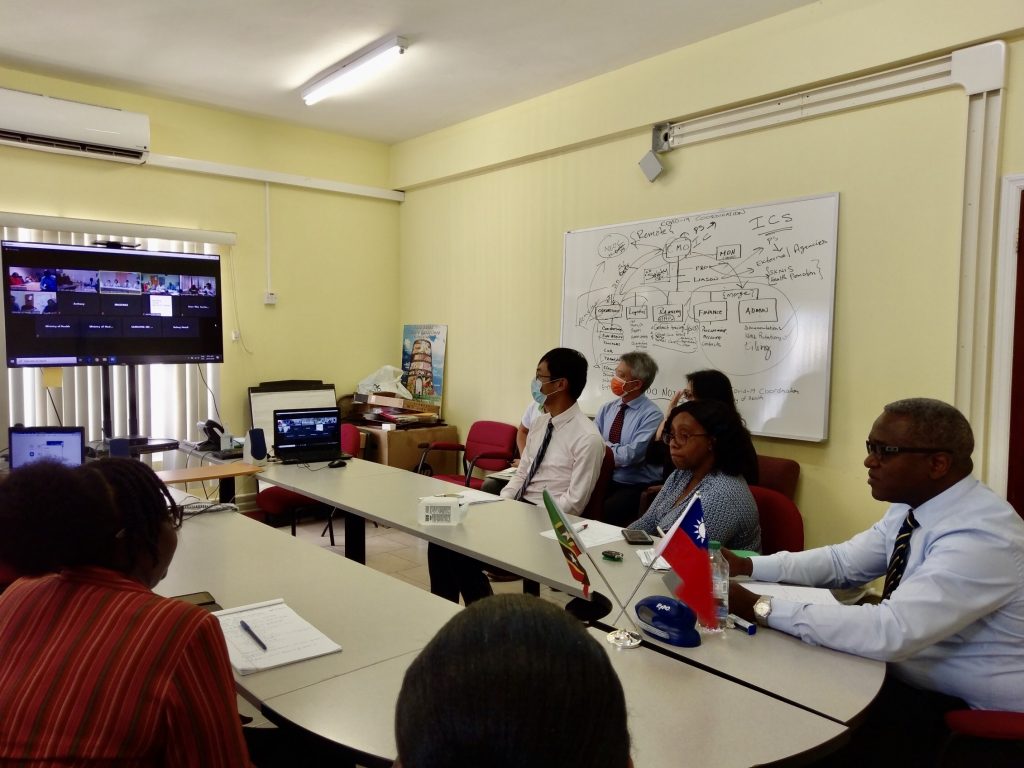
For instance, a five-party video conference was organized by our Ministry of Foreign Affairs to share COVID-19 prevention measures with our four Caribbean diplomatic allies, including St. Kitts and Nevis, St. Lucia, St. Vincent and the Grenadines, and Belize on March 30.
REPORTER: Apart from the masks donation, specifically for St.Kitts-Nevis what else can be expected in partnership with the government of Taiwan in the near future?
AMBASSADOR LEE: In addition to the 40,000 masks donated on April 15, 6 thermal detectors (thermal imaging cameras), a batch of thermometer temperature guns are on the way from Taiwan and will arrive in SKN shortly. Our Embassy has also assisted the Ministry of Health (MOH) to have Taiwanese experts review SKN’s official COVID-19 Preparation Plans to provide constructive feedback.
REPORTER: Although Taiwan is not a member of the World Health Organization, is there any working relations with the organization at this time? Also with the independent accomplishments made in the area of health especially regarding COVID-19, has Taiwan earned the right to be embraced by WHO?
AMBASSADOR LEE: The right to health is a fundamental part of our human rights. If it is indeed WHO’s mission to ensure the highest attainable standard of health for every human being, then WHO needs Taiwan just as Taiwan needs WHO.
Despite public statements earlier this year by Dr. Michael Ryan, Executive Director of the WHO Health Emergencies Programme, that Taiwan had been fully engaged and fully aware of all the developments on COVID-19, Taiwan’s participation remains extremely limited. Taiwan is not only prevented from obtaining firsthand information concerning the disease in a timely manner, but also faces hurdles in sharing its Taiwan Model on epidemic prevention with other countries.
Due to political factors, however, Taiwan has not been invited to attend the World Health Assembly since 2017. From 2009 to 2019, Taiwan applied to take part in 187 WHO technical meetings. It only received invitations to 57 of these, meaning that 70 percent of applications were rejected. WHO takes a long time processing Taiwan’s applications, and often does not even provide a reason when rejecting applications.
A glimpse of the video conference between Chi Mei Medical Center in Taiwan and Joseph N. France General Hospital held on Monday 30th March 2020 as part of the Caribbean Diplomatic Allies for the Sharing of COVID-19 Prevention Measures sessions
Even though Taiwanese experts can take part in the clinical management and infection control networks related to epidemic prevention, WHO has not invited Taiwan to take part in its laboratory network. And even though WHO has included one Taiwanese expert in the International Health Regulations Expert Roster, it never invited the expert to attend related meetings. This is most clearly reflected in its current handling of the COVID-19 pandemic.
Meanwhile, owing to political considerations, WHO cannot certify vaccines produced by Taiwan, affecting Taiwan’s research and development endeavors and also creating obstacles for Taiwan to share vaccines with countries that need them. These facts show that Taiwan’s inability to participate in WHO not only jeopardizes the right to health of the 23 million people of Taiwan, but also disadvantages people from other countries that could benefit from Taiwan’s assistance and experience.
As President Tsai said during a recent interview with TIME Magazine, although Taiwan has been unfairly excluded from the WHO and the U.N., we remain willing and able to utilize our strengths across manufacturing, medicine and technology to work with the world.
The threat of emerging infectious diseases to global health and the economy, trade, and tourism has never abated. Pandemics can spread rapidly around the world because of the ease of international transportation. Among the most salient examples are the Spanish flu of 1918, the severe acute respiratory syndrome (SARS) outbreak of 2003, and the H1N1 influenza of 2009. Intermittently, serious regional epidemics, such as Middle East respiratory syndrome (MERS) in 2012, Ebola in West Africa in 2014, and the Zika virus in Central and South America in 2016, have also reared their heads. Today, a novel form of pneumonia that first emerged in Wuhan, China, at the end of 2019 and has since been classified as coronavirus disease 2019 (COVID-19) has caused a global pandemic. As of April 8, 2020, World Health Organization data shows that 1.35 million people had been confirmed as having the disease, with 79,235 deaths in 211 countries/areas/territories. Taiwan has not been spared.
In the 17 years since it was hit hard by the SARS outbreak, Taiwan has been in a state of constant readiness to the threat of emerging infectious disease. As a result, when information concerning a novel pneumonia outbreak was first confirmed on December 31, 2019, Taiwan began implementing onboard quarantine of direct flights from Wuhan that same day. On January 2, 2020, Taiwan established a response team for the disease and activated the Central Epidemic Command Center (CECC) on January 20 as a level 3 government entity, upgrading it to level 2 and level 1 on January 23 and February 27, respectively. The CECC is able to effectively integrate resources from various ministries and invest itself fully in the containment of the epidemic. As of April 9, Taiwan had tested a total of 42,315 persons showing 380 confirmed cases, of which 54 have been indigenous, 326 imported and five deaths; 80 people had been released from hospital after testing negative. Despite its proximity to China, Taiwan ranked 123rd among 183 countries in terms of confirmed cases per million people. This has shown that Taiwan’s aggressive efforts to control the epidemic are working.
Disease knows no borders. In response to the threat of the COVID-19 epidemic, Taiwan has implemented dynamic plans concerning border quarantine measures, including onboard quarantine, fever screening, health declarations, and a 14-day home quarantine for passengers arriving from nations it has listed under Level 3 Warning. Moreover, Taiwan has established an electronic system for entry quarantine, which allows passengers with a local mobile phone number to fill in health information via mobile phone. A health declaration pass will then be sent to them via a text message. This is connected to the community care support management system, which allows government agencies to provide care services and medical assistance. Individuals’ travel history is now stored on the National Health Insurance (NHI) card to alert physicians to possible cases and prevent community transmission. For those undergoing home quarantine or isolation, the government is working with telecom operators to allow GPS tracking of their locations. Quarantine offenders are subject to fines or mandatory placement according to relevant laws and regulations, so as to prevent transmission.
Taiwan has also increased laboratory testing capacity, expanded the scope of its surveillance and inspections based on trends of the COVID-19 epidemic, and retested people with higher risk who had already tested negative, including patients with symptoms of severe influenza, community cases with upper respiratory tract infections who were already being monitored, and cluster cases of upper respiratory tract infections, to identify suspected cases and perform treatment in isolation wards. Meanwhile, Taiwan has designated 50 regional hospitals and medical centers and 167 community hospitals and clinics to create a tiered system for testing. These hospitals and clinics are required to set up special wards or areas; in principle, COVID-19 patients are isolated and treated individually in these wards and areas to prevent nosocomial infections. Moreover, Taiwan has banned the export of surgical masks since January 24, requisitioned masks, and expanded domestic mask production to more effectively allocate masks. On February 6, Taiwan launched a name-based rationing system for mask purchases at NHI-contracted pharmacies and local public health agencies. It added an ordering system for masks on March 12. This allows people to order online and pick up masks at convenience stores. These measures have helped us achieve effective allocation of limited resources and meet healthcare, epidemic prevention, household, and industrial needs.
A crisis anywhere readily becomes a problem everywhere. Global health security requires the efforts of every person to ensure an optimal response to public health threats and challenges. Taiwan, though not a member of WHO, cannot stand alone and must be included in the fight against such threats and challenges. Taiwan has fulfilled its responsibilities as a global citizen and abided by the International Health Regulations 2005 (IHR 2005) in notifying WHO of confirmed COVID-19 cases. Moreover, Taiwan has communicated with other countries such as Japan, Republic of Korea, Singapore, Malaysia, the Philippines, the United States, Canada, Italy, France, Switzerland, Germany, the United Kingdom, Belgium, and the Netherlands, as well as the European Centre for Disease Prevention and Control, to share information on confirmed cases, travel and contact histories of patients, and border control measures. Taiwan has uploaded the genetic sequence of COVID-19 to the Global Initiative on Sharing All Influenza Data (GISAID). Taiwan has worked with global partners to respond to the threat of COVID-19 to ensure that global health is not imperiled by a lack of communication and transparency.
If it is indeed WHO’s mission to ensure the highest attainable standard of health for every human being, then WHO needs Taiwan just as Taiwan needs WHO. Yet Taiwan has long been excluded from WHO due to political considerations. This has been regrettable given all that Taiwan could share with the world thanks to its renowned public health experience, health system, NHI, and ability to perform rapid testing as well as research and manufacture vaccines and drugs against COVID-19. We can also share our methods for analyzing the virus. We hope that after this pandemic abates, WHO will truly understand that infectious diseases know no borders, and that no country should be excluded, lest it become a major gap in global health security. WHO should not neglect the contribution to global health security of any nation. We urge WHO and related parties to acknowledge Taiwan’s longstanding contributions to the international community in the areas of public health, disease prevention, and the human right to health, and to include Taiwan in WHO and its meetings, mechanisms, and activities. Taiwan will continue to work with the rest of the world to ensure that all enjoy the fundamental human right to health as stipulated in the WHO Constitution. Echoing the mantra of the United Nations’ 2030 Sustainable Development Goals, no one should be left behind.
BASSETERRE, St.Kitts( Wednesday 22nd April 2020)-A spokesperson at the Police Public Relations Department has informed that police are investigating a shooting incident that occurred in the Parsons area tonight during the 24-hour total lockdown period.
Reportedly, at least one person was injured and was transported to the JNF Hospital.
This media house understands that a male believed to his 20s was the left wounded.
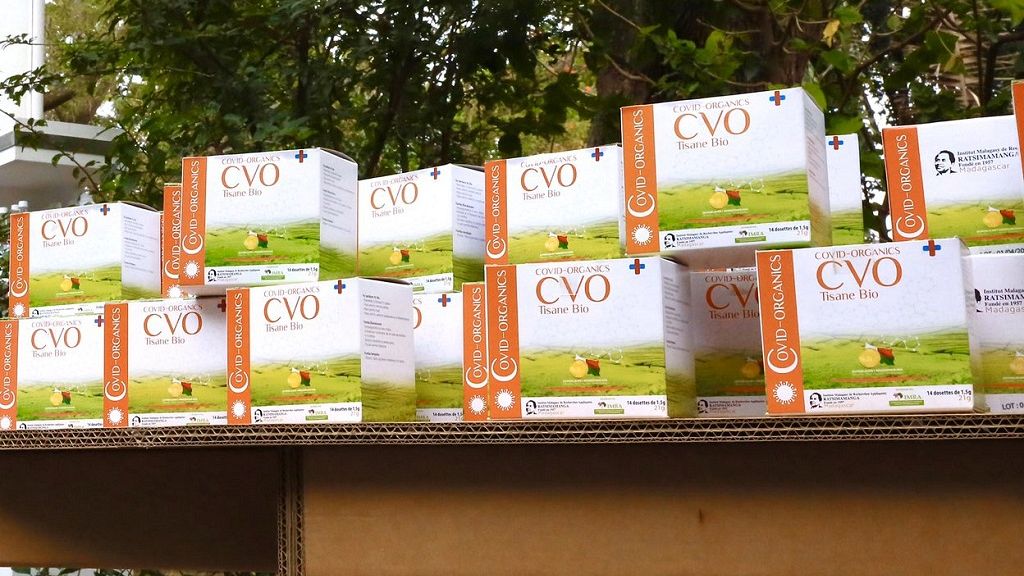
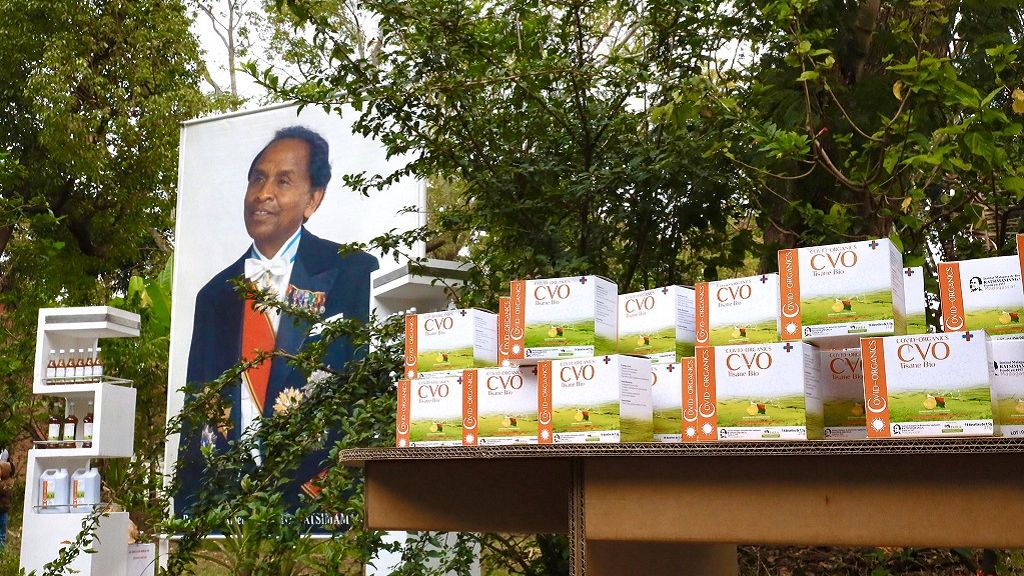
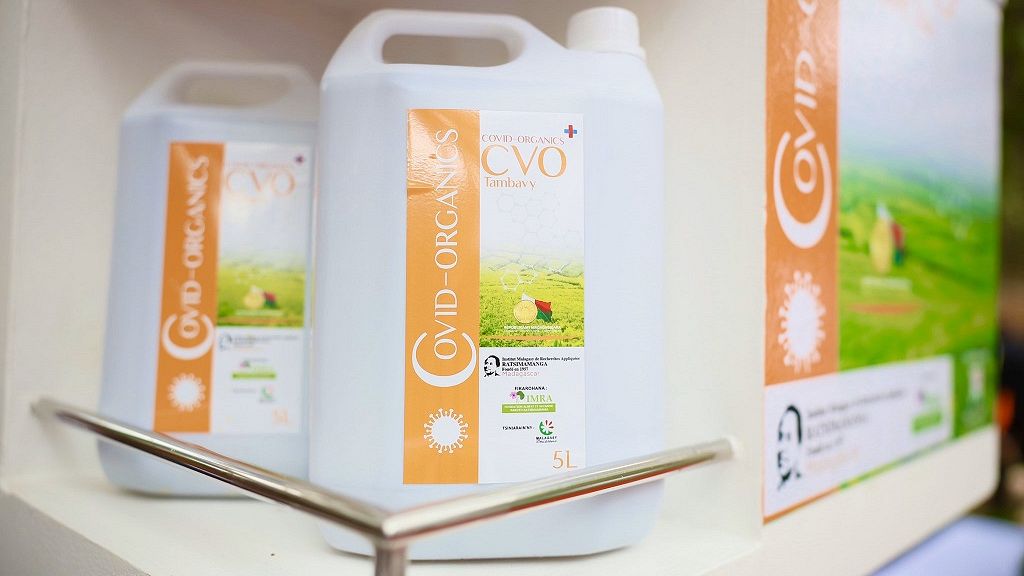
Madagascan President Andry Rajoelina has officially launched a medicine he believes can prevent and cure patients suffering from COVID-19.
Developed by the Malagasy Institute of Applied Research and branded COVID Organics, President Rajaolina presented the so-called remedy to the press on Monday. It contains Artemisia, a plant cultivated on the Big Island to fight against malaria.
“All trials and tests have been conducted and its effectiveness in reducing the elimination of symptoms has been proven for the treatment of patients with COVID-19 in Madagascar,” the president said.
A presidential decree said COVID-organics is mandatory for children returning to school on Wednesday. President Rajaolina said Monday that it had cured two COVID-19 cases.
“The Covid-Organics will be distributed free of charge to our most vulnerable compatriots and sold at very low prices to others. All profits will be donated to IMRA to finance scientific research,” the president wrote on Twitter..
“I’m convinced that, in fact history will prove us, but today there are already two cases that have been cured with the Covid-organics, but we’ll actually see what happens next.”
“Covid Organics will be used in profilaxis, i.e. preventive, but clinical observations have shown a trend towards its effectiveness in curative, other clinical studies are currently underway,” he stressed at the launch.
The president has previously made claims about herbal remedies despite scientific opinion that there is currently no cure for COVID-19 and that any experimental formula should be rigorously tested to see if it is safe and effective.
As of April 22, Madagascar’s case stats stood at 121 cases of which 44 had recovered with no deaths.
Basseterre, St. Kitts, April 22, 2020 (RSCNPF): The Police have confirmed that some shop operators have been selling liquor retail in contravention of the Emergency Powers (COVID-19) (No. 5) Regulations.
Speaking on a recent “Policing With You” Radio Programme, Divisional Commander for District ‘A’, Superintendent Cromwell Henry explained how the operators were trying to conduct the illegal activity without being caught.
“We have information, and we have confirmed it, that there are some operators – some shops – their doors are closed, but they have this way of getting people inside with the doors closed or passing things through a window or through a side door and still having the type of socialising that we are asking not to happen,” disclosed Superintendent Henry. “So the doors are closed, the shops are closed, but persons would go and give a special knock on a window. Yes! They have their secret codes [and] passwords. You give a special knock on the door or on the window and the door opens and you go in and the door locks back and persons are inside drinking”
As a result, when Officers on patrol pass by these businesses they would appear closed and no activity would be visible. The Divisional Commander warned that this type of behaviour puts both the seller and the customers at risk. He urged persons to discontinue the practice.
“I mean you’re not really harming the Police when you do that, but you are harming yourselves and your customers so we ask persons please to obey the rules. It was meant to help you. It was meant to keep you safe; meant to keep your customers safe…we have to keep people safe, we have to keep people healthy and so the whole intention of suspending the licences is to prevent persons from congregating and socialising in that manner that brings them close,” he cautioned.
Section 14 of the Statutory Rules and Orders No. 14 of 2020, Emergency Powers (COVID-19) (No. 5) Regulations speaks to the suspension of all retail liquor licences. It states that “Notwithstanding the provisions of the Liquor Licences Act, Cap. 18.21, all retail liquor licences are suspended once a period of emergency is declared in relation to COVID-19.”
Section 19 of the Regulations states that “a person who contravenes or fails to comply with these Regulations shall be liable on summary conviction to a fine not exceeding five thousand dollars or a term of imprisonment not exceeding six months or to both and to forfeiture of any goods or money in respect of which the offence has been committed.”
Basseterre, St. Kitts, April 22, 2020 (SKNIS): A state-of-the-art medical facility named Waters Anchor Health and Wellness Center will open its doors in St. Kitts and Nevis to provide world-class public health service to all.
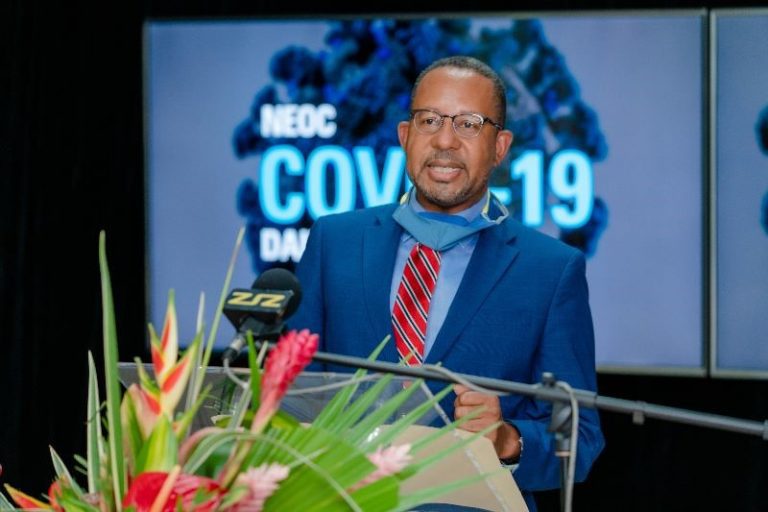
“Waters Anchor will be the first entity of its kind in St. Kitts-Nevis offering the access to new technologies, health and wellness, in the best tradition and therapies that are of high quality and certified by Joint Commission International (JCI) standards,” said Dr. Theodore Hanley, a son of the soil and U.S. board-certified anesthesiologist, at the April 21 edition of the National Emergency Operations Center (NEOC) COVID-19 Daily Briefing. “To this end, my team and I planned to build a world-class center of excellence fully engaged and focused on the personalized care of people of the Federation. As such, we plan our opening in the coming weeks.”
Dr. Hanley noted that the opening of the center will provide job opportunities for many.
“As we plan, we are currently recruiting and interviewing job candidates and our job opportunities can be found on sknvibes.com. My plans are to ensure that the excellence of our facility will be reflected in the professionalism of our people with staffing comprising of over 50 percent of persons in the Federation,” he said.
According to Dr. Hanley, services to be offered at the center will include health and wellness screenings, integrated health including premier nutraceuticals and Intravenous (IV) therapies that dramatically improve the immune system, physical therapy, international pain management and telemedicine consultations. These services, he said, will be done with “subject matter experts from around the world.”
“From now on, as we develop our practice, we are planning on putting adequate screening measures into place which abide with the recommendations and requirements of the Ministry of Health and the Joint Commission International (JCI) standards.” Dr. Hanley added.
According to information from watersanchor.com, Waters Anchor intends to lead the way in preventative medicine ensuring high-quality care and the best possible outcomes.
The 76,000 square foot facility will feature a full imaging center, four (4) operating rooms, eight (8) overnight luxury recovery suites facing Christophe Harbour’s super yacht harbour, 4,000 square foot wellness and integrative health clinic, 4,000 square foot physical rehabilitation and sports performance space, and a nutritional and integrative health programme.
BASSETERRE, St.Kitts (Wednesday 22nd April 2020)– Nearly one month since the Federation of St.Kitts-Nevis recorded its first two cases of the coronavirus (COVID-19), one of out the15 patients has reportedly beaten the illness but there is no further details about this individual as the authorities have stopped sharing certain particulars.
At the National Emergency Operations Center (NEOC) COVID-19 Daily Briefing held on Tuesday 21st April 2020, Chief Medical Officer Dr. Hazel Laws who although shared such “good news”, said positive cases will continue to increase.
“This afternoon, I have good news. We have one confirmed case who has recovered with zero deaths to date.”
At that time of her remarked it was recorded that 257 samples were tested with the 15 cases positive, 230 confirmed negative and 12 results pending.
Additionally, 1 person quarantined at a government facility with 64 quarantined at home as the 14 positive cases in isolation.
“I want to remind us that we are still in the early days of the COVID-19 outbreak here in the Federation of St.Kitts and Nevis. Please note that our numbers will continue to increase with the numbers of continued cases reaching a peak. Subsequently, these numbers will then decrease. However, based on the evidence, this decrease will take place at a much slower rate,” Dr. Laws commented.
She said the Ministry of Health continues to “carefully find the balance between maintaining a sustainable suppression of transmission of the virus whilst ensuring resumption of some of some economic and social life.”
Seven days before- at a briefing held on 15th April- Medical Chief of Staff talked about the policy of waiting 14 days and conducting two negative results before a patient is deemed fully recovered.
“… our policy is to wait until fourteen (14) days after you have no symptoms and retest you and see if you get two negative tests. We have not proclaimed that anybody has recovered as yet even though they are all doing well.”
He also explained that going forward information regarding patients’ age, race and gender would not be publicised “because First and foremost we have to think about persons’ confidentiality, and we live in a small community.”
He had also pointed out that “Here, in this very small environment that we live, people know persons and so when you give a significant amount of information as it relates to the race, the age, the gender, persons have been tracking down persons and doing some of the worst things that you’d not expect people to be doing in an epidemic like this; putting persons pictures’ on Facebook etc.”
See below a breakdown of the cases announced during the early stages of the COVID-19 which saw a distribution of 11 cases in St.Kitts and 4 in Nevis when the count stood at 15 confirmed patients
At 11:03 PM on 24th March: a 57-year-old female and a 21-year old male with recent travel history to New York were reportedly recorded be the first coronavirus cases.
On 28th March, five (5) cases recorded: three (3) females are aged 10 months, 24 years and 36 years and two (2) males ages 29 and 39 years; all citizens of St.Kitts and Nevis.
On 30th March 30: an eight case of 51 year-old female St. Kitts and Nevis citizen; resident on Nevis.
On 2nd April: a ninth case- 51-year-old female from St. Kitts and Nevis; resident on Nevis
On 4th April: 10th case- 66- year-old female St. Kitts and Nevis citizen; resident on Nevis
On 6th April: 11th case- 35-year-male St. Kitts and Nevis citizen; resident on Nevis
On 10th April: 12th case 21-year-old male of Indian descent; resident on St.Kitts
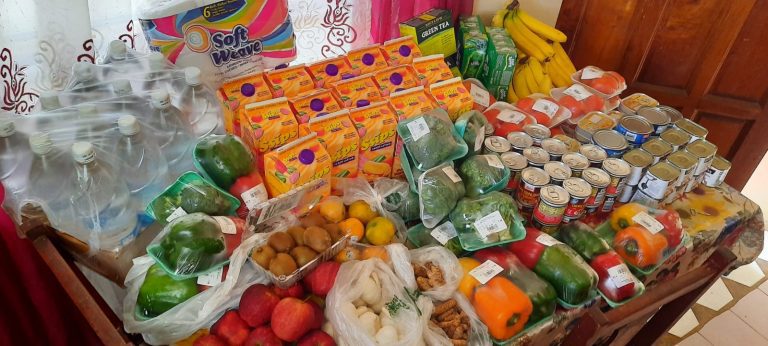
(Wednesday 22nd April 2020) – Sol Island Auto Supply Conaree Football Club is cognizant of the ongoing negative impacts the Coronavirus (COVID-19) pandemic is having on our community. Consequently, we were determined to play our part in our community from the onset and delivered 17 care packages to the elderly and shut-ins within the Conaree community on 28th March 2020. These packages consisted of toiletries and also food items that would boost the immune system of the recipients.
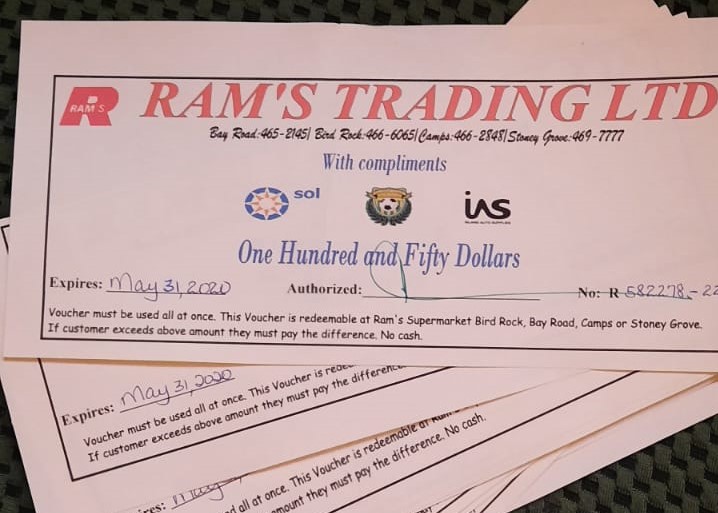
As of we have seen the number of cases increase in conjunction with curfews and full lockdowns, so likewise the needs of many persons have increased. Therefore, our Club once again found it imperative to provide assistance to those in our community. In this regard, we have committed to provide food vouchers to 22 families from within our community and our team. Each voucher will be valued at $150.00 for a total of $3300.00.
Our Club continues to encourage our supporters and all persons in St. Kitts and Nevis to adhere to the national guidelines and protocols for preventing the spread of COVID-19. Please stay safe, stay home as much as possible and let us all help to flatten the curve.