IVORY COAST’S WAHI ALLOWED INTO CANADA AFTER VISA ISSUE — BBC Sport
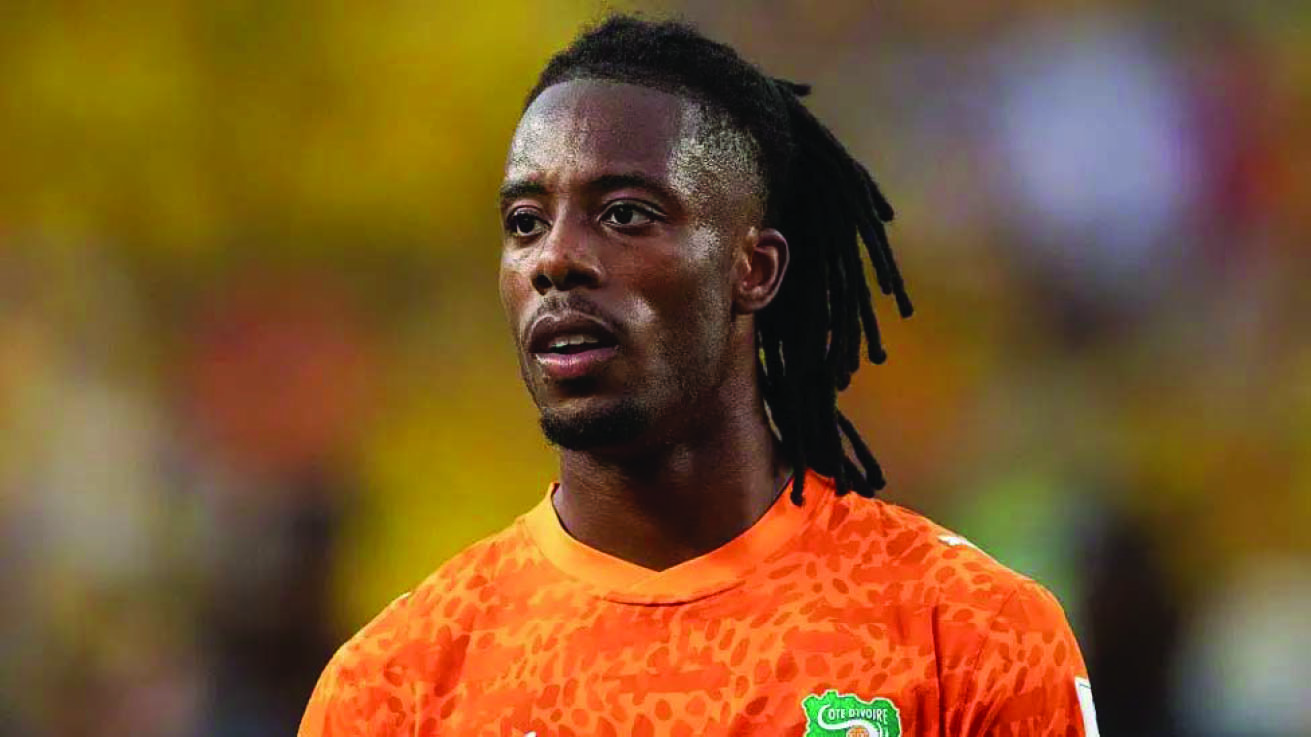
Ivory Coast international Elye Wahi will be allowed into Canada for his country’s World Cup group game against Germany, after earlier being denied entry. The Nice forward was reportedly arrested last month before the World Cup over alleged involvement in spot-fixing in Ligue 1 — specifically accused of deliberately earning a yellow card while playing for Nice against Metz in May. Ligue de Football (LFP) confirmed they had been alerted to “an unusually high volume of bets placed on a warning involving the player Elye Wahi.” Ivory Coast’s football federation (FIF) confirmed the player’s entry was authorised, saying: “The necessary authorisations for his entry into Canadian territory have now been obtained. The FIF welcomes this positive outcome.” Wahi was the second World Cup player to be denied entry to Canada, after Ghana’s Thomas Partey was refused a visa due to ongoing criminal proceedings in the UK. Partey had wrongly told officials he had never been arrested or charged with a crime and missed Ghana’s World Cup win over Panama as a result.
WORLD ATHLETICS LAUNCHES STUDY TO IMPROVE PREGNANCY SUPPORT FOR ELITE FEMALE ATHLETES — BBC Sport
World Athletics is asking every elite female athlete to help shape its rules on pregnancy, childbirth and the return to competition. The governing body launched a new study it says can inform and improve its policies and better protect and support female athletes. The Childbirth And Return in Elite Sport (Cares) project will examine barriers, professional and organisational support, and contractual and financial considerations. World Athletics president Lord Coe said: “This is the next step in ensuring athletes who experience pregnancy are protected, receive support, and do not face barriers when it comes to being able to make a return to elite athletics.” The initiative was inspired in part by sprinter Allyson Felix — who won 11 Olympic medals — who took on her then-sponsor Nike in 2019 over maternity pay, revealing Nike’s threat to cut her pay by 70% if motherhood affected her future athletic performance. Three months later, Nike changed its stance and new contracts guaranteed an athlete’s pay and bonuses for 18 months around pregnancy.