By Vanessa Buschschlüter, BBC Latin America Online Editor
With the number of people killed in the powerful twin quakes which struck Venezuela on Wednesday still rising, there is no doubt that this natural disaster is a devastating blow to a country already mired in uncertainty. It has been less than six months since Nicolás Maduro, the left-wing leader who had ruled the country since 2013, was seized by US forces in a dawn raid on his presidential compound in Caracas and taken to New York to stand trial on drug-trafficking charges. Venezuela has since been governed by Maduro’s ally and former vice-president, Delcy Rodríguez, much to the chagrin of opposition supporters who had hoped the Trump administration would put opposition leader María Corina Machado in charge.
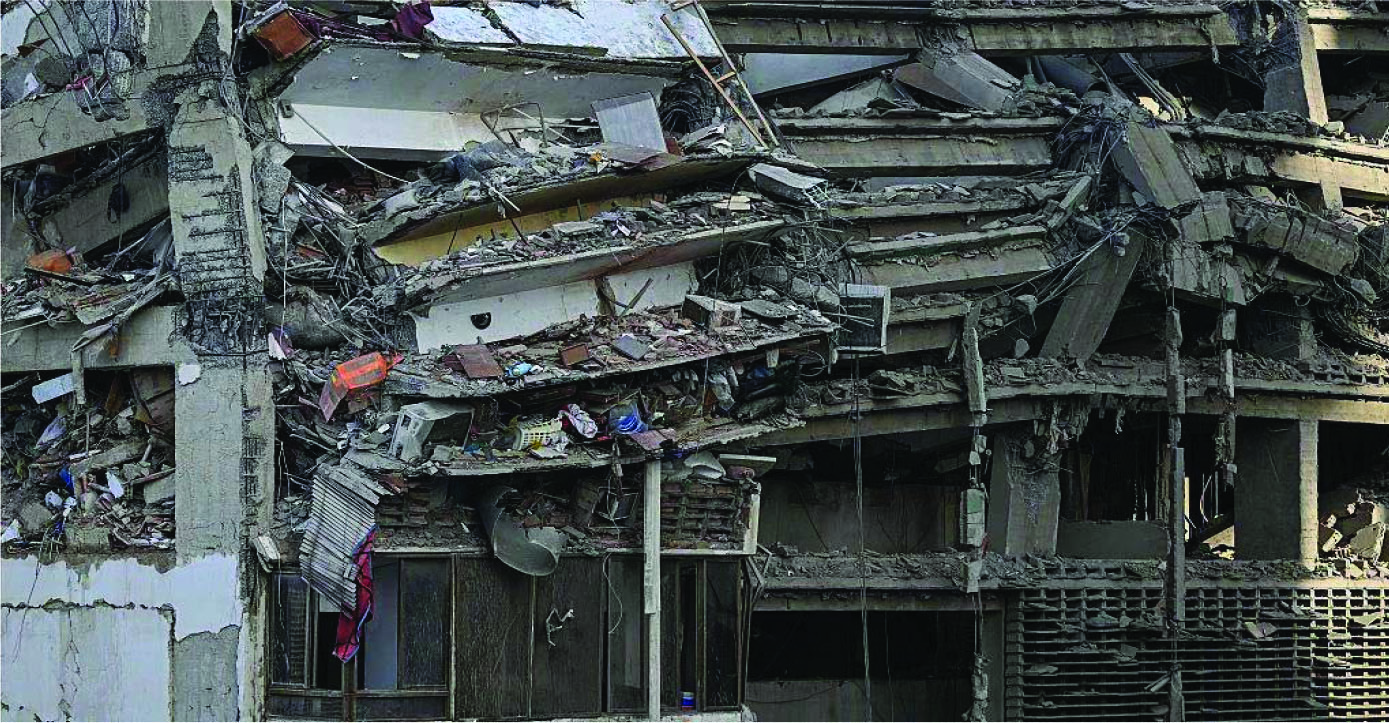
Rodríguez’s response to the quake has revealed some of the things which have — and have not — changed since the January raid. She addressed the nation on state television more than two hours after the quakes, declared a state of emergency, and tasked General Juan Ernesto Sulbarán with leading the emergency response. Years of shortages and mismanagement have meant that much of the public housing stock has deteriorated, and a shortage of cement triggered by the collapse of the state-owned cement industry has meant that badly needed repairs were often not carried out, making buildings more prone to collapse. In a clear break from Maduro’s policies of only accepting help from ideological allies, Rodríguez expressed gratitude to foreign governments offering assistance — including US President Donald Trump’s administration, which she said had been “in constant contact with all our authorities offering support and solidarity.”