CADBURY-MAKER MONDELEZ DEFENDS STAYING IN RUSSIA — BBC Business
The boss of Cadbury chocolate-maker Mondelez has defended its decision to continue doing business in Russia but admitted he is “not pleased” the firm’s taxes are funding the war with Ukraine. Chief executive Dirk Van de Put said it was the “right decision” to stay after Russia invaded Ukraine in 2022, saying pulling out would risk thousands of jobs and leave Mondelez vulnerable to the Kremlin taking control of its local operations. Since Russia’s full-scale invasion of Ukraine, the country has generated sales of between $1 billion and $1.4 billion a year for Mondelez. “I think over time you try to be neutral in the whole conflict. We’re not trying to take any side. We pay taxes in Russia that help the war. I’m not pleased about that.” In Ukraine, Mondelez operates two manufacturing plants — one near the Russian border and one close to Kyiv — and has rebuilt one plant twice after it was hit. “We doubled everybody’s salary when the conflict started, and we have not fired anybody,” Van de Put said.
JAPAN RAIDS ICE CREAM GIANTS OVER PRICE-FIXING ALLEGATIONS — BBC Business
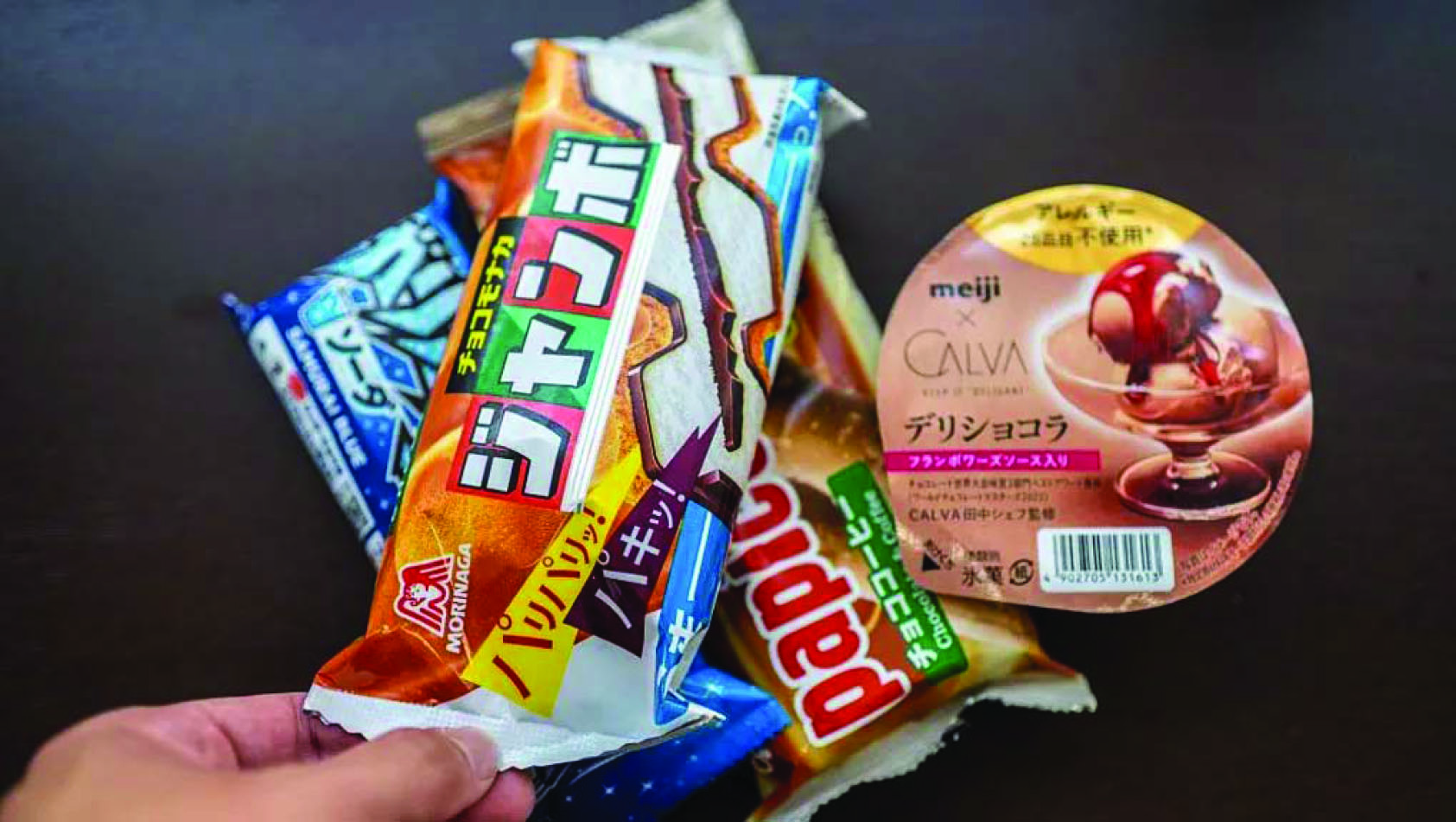
Japan’s competition watchdog has raided some of the country’s biggest ice cream makers for allegedly forming a cartel to raise the price of their products. Firms including Meiji and Pocky maker Ezaki Glico said they have been subject to an “on-site inspection” by the Japan Fair Trade Commission (JFTC) over suspicions of price-fixing frozen desserts. The six firms raided were Meiji, Morinaga Milk Industry, Lotte, Morinaga, Ezaki Glico and Akagi Nyugyo. The firms are suspected of inflating ice cream prices beyond increases in the cost of raw materials, even as the country faces record summer temperatures. The investigation comes as Japan unveiled a new term — kokushobi, meaning “cruelly hot day” — for days that reach 40°C or above, after the country experienced its hottest summer on record in 2025.